
Trending Solutions for Festivals of Lights in 2026
The article is written by a human. Mistakes have been edited by AI.
Editions, attendance figures and prices checked August 2026 against organisers, city press offices and manufacturer material. Verify dates on the official festival site before planning anything around them.
In November 2025 the United Kingdom’s most decorated light art festival ran for the last time. Lumiere Durham closed with 120,000 visitors across three nights, 30 artworks by artists from 11 countries, and a cumulative economic impact of £43 million since 2009. It was not cancelled because nobody came. It was cancelled because of rising costs and shifting public funding priorities.
That is the fact every organiser should read first, because it changes what the word “trending” means. In 2024 a trends article meant a list of new technologies. In 2026 it means a list of things that survive a budget review.
Who this article is for: festival directors, city culture departments, producers and sponsors commissioning light art — and the studios pitching to them.
What it solves: most trend lists for this sector name technologies without prices, without editions, and without a single number you could put in a funding application.
What you get by the end: what the 2025–26 season actually cost and drew, what drones and AI really change, which production stack survives a public opening night, and seven recommendations you can act on for your next edition.
Hello dear artists, organisers and clients of LIME ART GROUP. I am new media artist Alexander Kuiava. We produce content for projection and immersive work at festival scale, so the sections on content budgeting and delivery formats come from invoices rather than from press releases.
What the 2025–26 light festival season actually looked like
These are the editions that ran, with the numbers their organisers and city offices published. Not a visitor guide — a scoreboard, so you can see what scale actually looks like before you plan against it.
| Festival | 2025–26 edition | Works | Reported scale |
|---|---|---|---|
| Vivid Sydney | 23 May – 14 June 2025, 23 nights | Light Walk plus city-wide | 2.53 million attendees; 400+ local businesses; hotel occupancy peaked at 89.1%, Sydney’s highest May since 2019 |
| Fête des Lumières, Lyon | December 2025, 4 evenings | 23 creations at 20 locations | more than 2 million visitors |
| Signal Festival, Prague | 16–19 October 2025, 13th edition | record 20 installations | around half a million attendees |
| Amsterdam Light Festival | 27 Nov 2025 – 18 Jan 2026, 14th edition | 27 artworks, 20 artists | 53 nights; 7.5 km walking route plus canal boats |
| GLOW Eindhoven | 8–15 November 2025, 20th anniversary | 87 works with GLOW in the Region | the largest artwork count of any European light festival; free |
| Berlin Festival of Lights | 8–15 October 2025 | 80+ illuminated works | 40 locations; AR layer inside the official app |
| Lumiere Durham | 13–15 November 2025 | 30 artworks, 11 countries | 120,000 visitors; final edition |
| i Light Singapore | 29 May – 21 June 2025 | 17 installations | expanded to Singapore River and Raffles Place for the first time; free |
Read that table by column and one thing jumps out. The festivals that grew did not grow by adding more artworks. Lyon showed 23 pieces to two million people. Vivid drew 2.53 million across 23 nights. Amsterdam holds 27 works for 53 nights. GLOW’s 87 pieces are spread across a whole region, not one route.
If you are looking for the festivals an artist can actually submit work to, and what they pay, that is a different question and it has its own guide. This article is for the people commissioning.

Video Mapping Loops & Toolkits
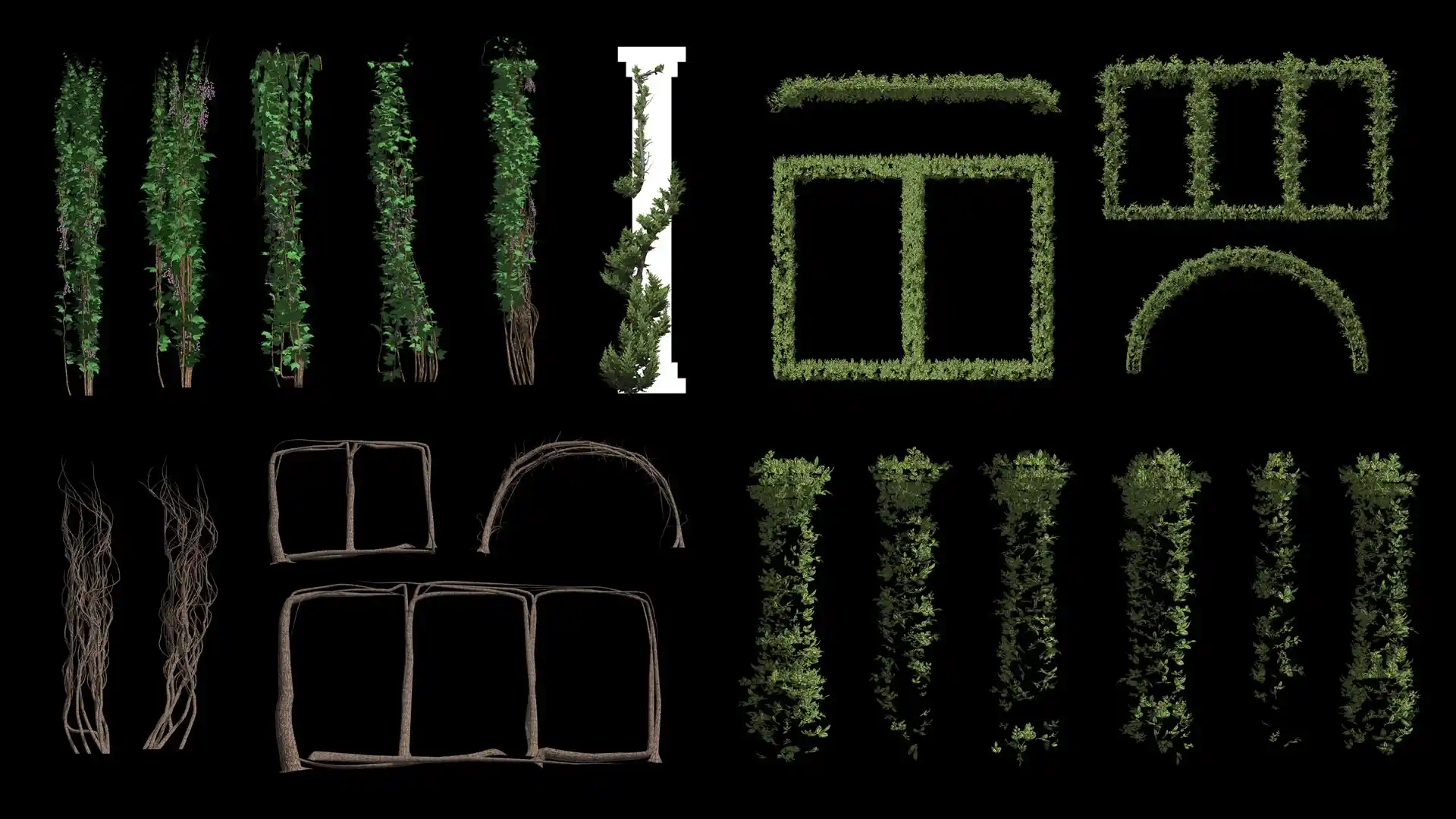
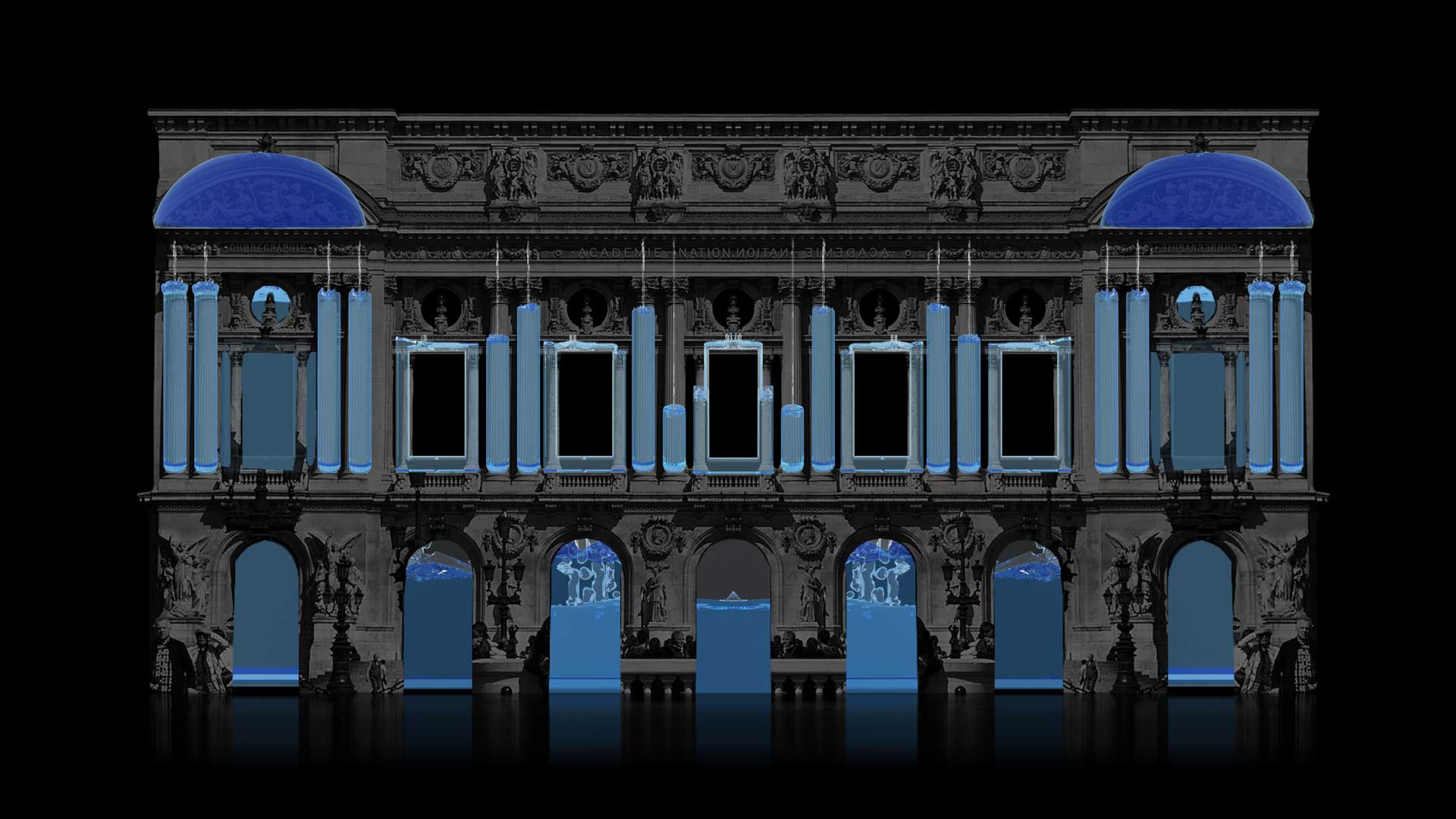
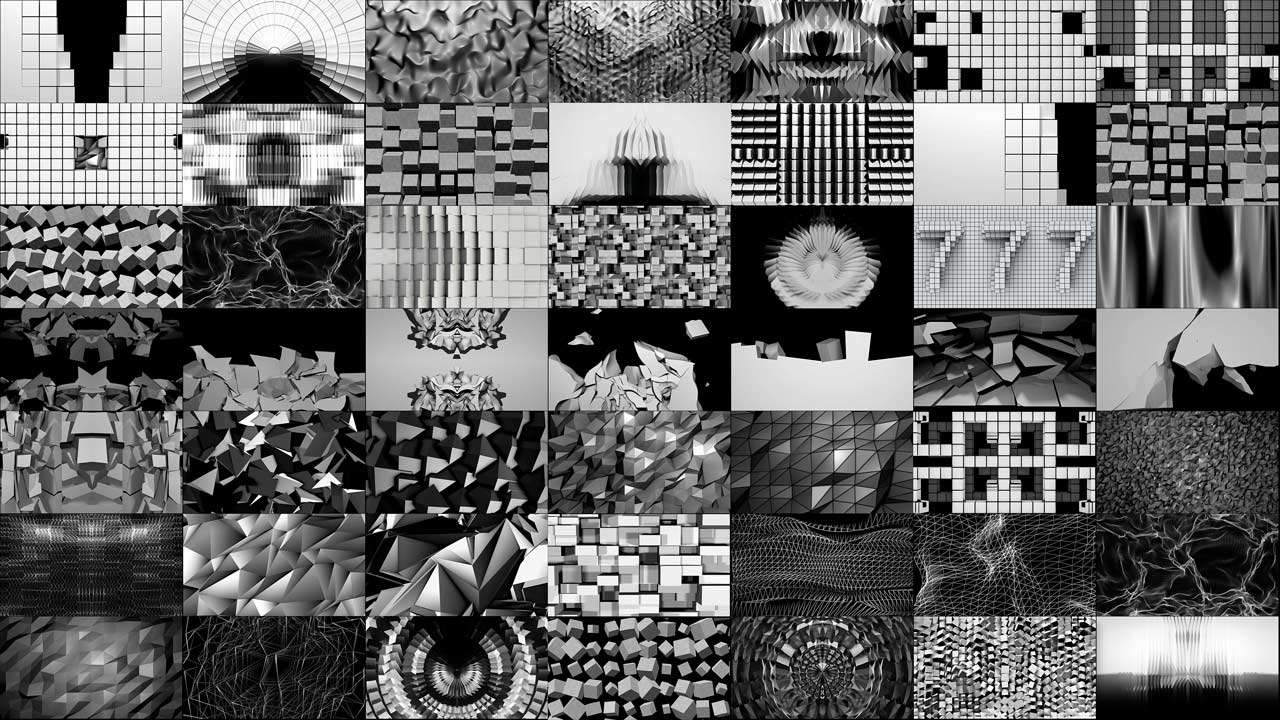
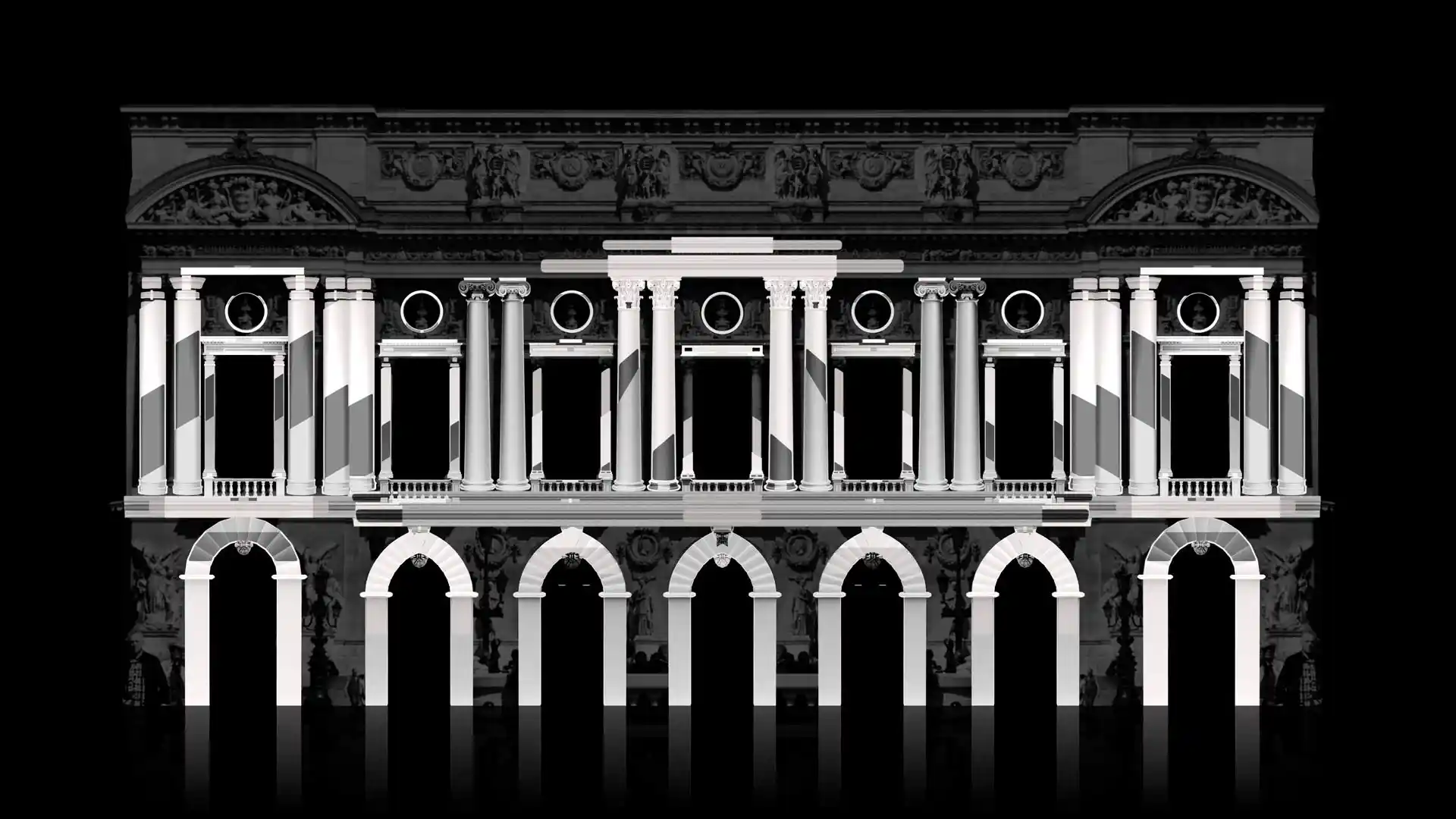
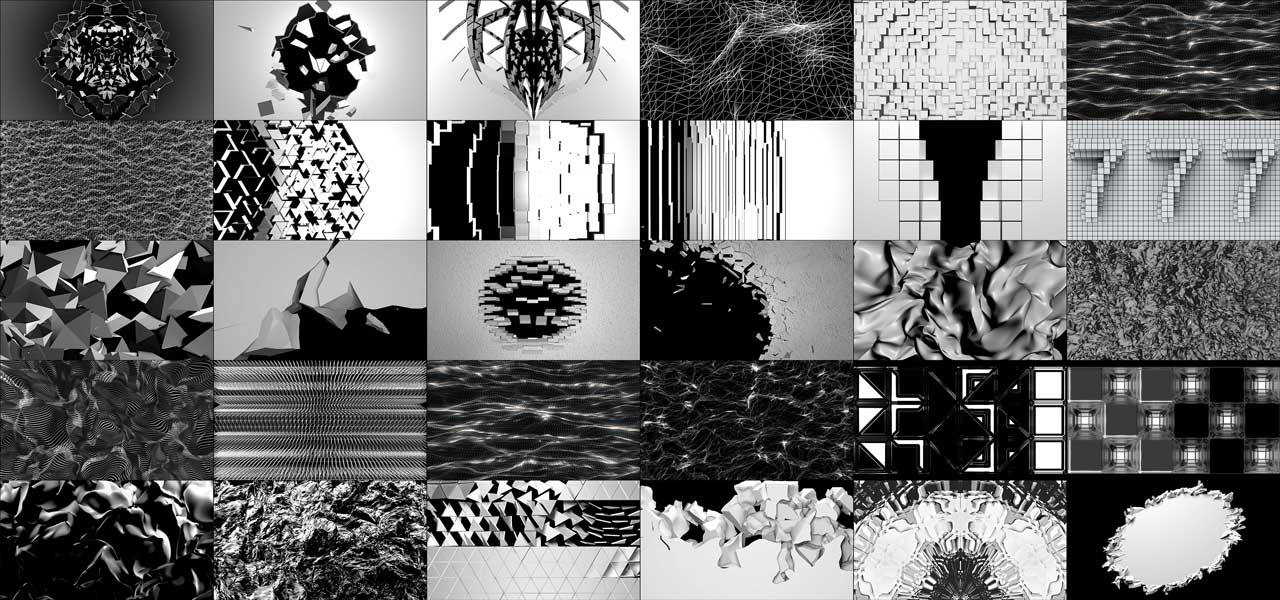
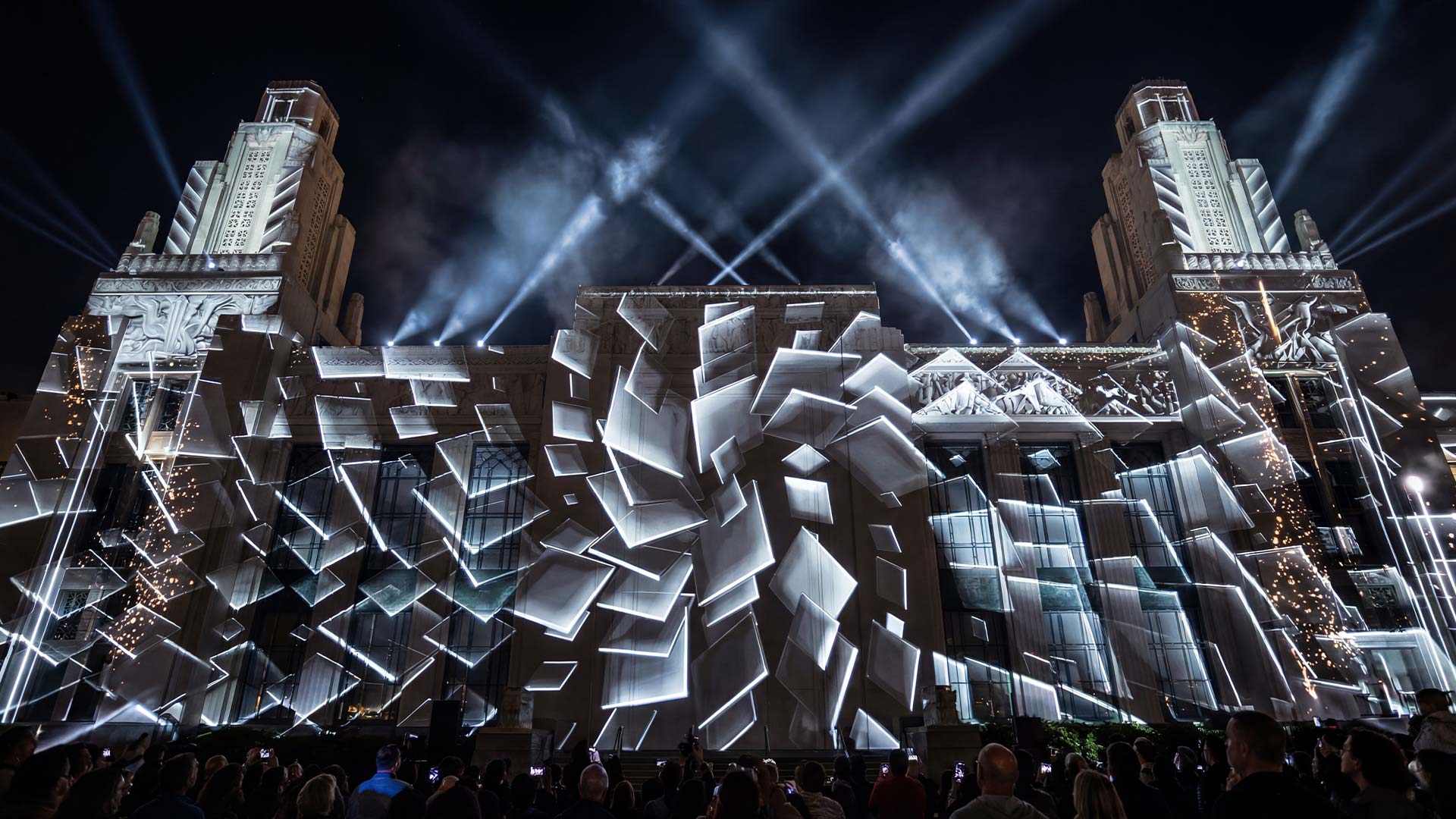
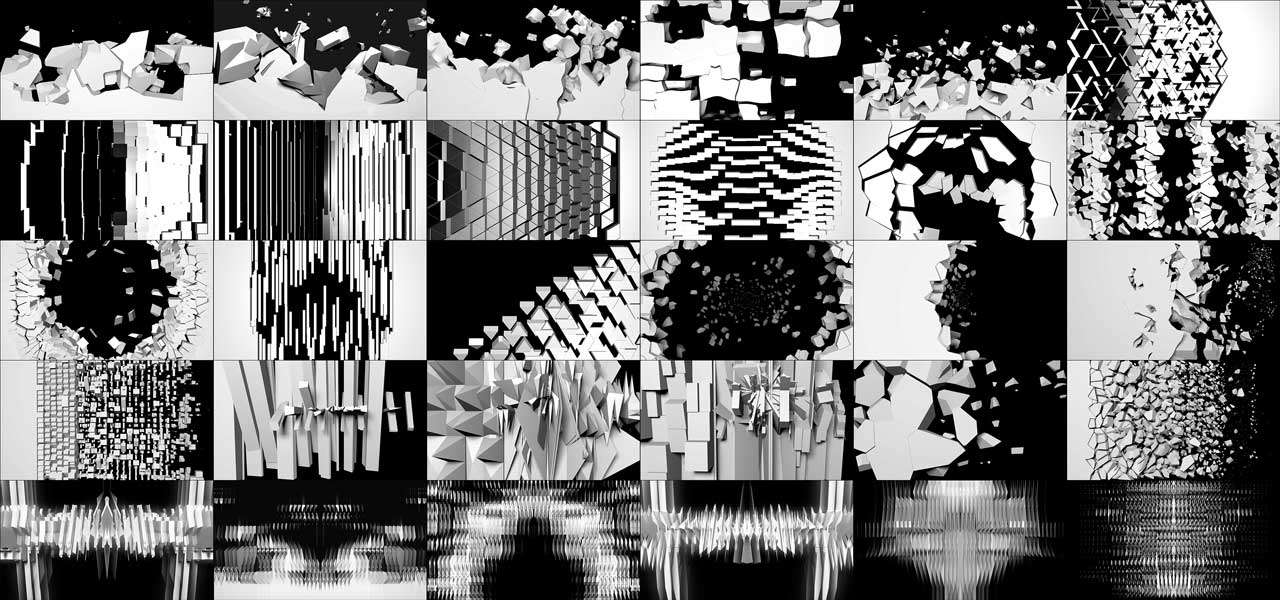
Modular architectural content built to be cut to a facade, not watched as a film
-
Sale!
Video Mapping Toolkit Vol.1 – Green Nature
Original price was: 189€.129€Current price is: 129€. -
Sale!
Video Mapping Toolkit Vol.2 – Call Poseidon
Original price was: 189€.89€Current price is: 89€. -
Video Mapping Loops Pack Vol.2 – Smart Reflection
99€ -
Sale!
Video Mapping Toolkit Vol.3 – Facade
Original price was: 149€.99€Current price is: 99€. -
Video Mapping Loops Pack Vol.8 – Gold Edition
129€ -
Video Mapping Loops Pack Vol.5 – Panorama
99€ -
Video Mapping Loops Pack Vol.10 – Transition
99€ -
Sale!
Video Mapping Toolkit Vol.5 – Light Ray
Original price was: 149€.99€Current price is: 99€. -
Video Mapping Loops Pack Vol.3 – Fallen & Rise
99€









Three structural shifts, not three gadgets
None of the three below is a device you can buy. They are changes in how the format is scheduled, financed and housed, and they explain most of the difference between the festivals that expanded in 2025 and the ones that did not.
Tighter perimeter, longer run
Lyon’s 2025 edition deliberately worked a more restricted perimeter than previous years, concentrated on the Presqu’île. That is not a downgrade. A smaller footprint means fewer power drops, fewer road closures, fewer stewards, shorter cable runs and a route people can finish without giving up halfway.
The economics run the other direction on time. Lumiere’s £43 million of lifetime impact was earned three nights at a time. Amsterdam runs 53 consecutive nights on a comparable artwork count. Nights are cheap after the first one; artworks are not. Amortising a fixed build over eight weeks instead of one weekend is the single largest cost lever in this format, and it is a scheduling decision rather than a technology decision.
The festival is becoming a venue
October 2025: Signal Festival opened Signal Space in Prague’s Old Town Market Hall — the city’s first year-round digital art gallery, run by a festival that used to exist for four nights a year.
The same movement is visible across the wider field. teamLab Borderless at Azabudai Hills drew around 1.69 million visitors in 2025 and teamLab Planets in Toyosu around 2.51 million; teamLab Kyoto Biovortex opened as a new permanent museum in October 2025. Refik Anadol’s Dataland opened on 20 June 2026 in over 25,000 square feet of The Grand LA, with an inaugural exhibition, Machine Dreams: Rainforest, running through January 2027.
The lesson for a festival director is not “open a museum”. It is that the content you commission for four nights is an asset with an eleven-month gap in its calendar, and the organisations that closed that gap are the ones not currently negotiating for survival.
Drones stopped being a novelty
For the first time in its history, the Fête des Lumières included a drone show in 2025 — L’Éveil des Lumières, produced by the Lyon company Allumée, with 500 drones over the lake at the Parc de la Tête d’Or. Vivid Sydney has carried drone programming into 2026.
The pricing is now legible enough to budget against. Industry sources in 2025 put typical rates at $200 to $300 per drone, with most operators setting a 100-drone floor:
| Fleet size | Indicative cost | What it can actually render |
|---|---|---|
| 50–100 | $7,000 – $20,000 | logos, simple shapes, text, a few transitions |
| 200–300 | $20,000 – $70,000 | detailed imagery, multi-scene narrative |
| 500+ | $70,000 – $200,000+ | the Lyon-scale set piece |
The honest comparison is not drones versus fireworks. It is drones versus one more projection site. A 300-drone show and a mid-size facade mapping cost roughly the same, run for very different durations — five to twelve minutes once, against four hours on repeat — and reach very different audiences. A drone show is a scheduled event people gather for. A projection is an environment people walk through. Budget them as different products, because they are.
What the attendance numbers do not save you from
Lumiere Durham had the numbers. 120,000 visitors in three nights. Up to £10 million of impact from a single edition. 116 local sponsors. 550 local people in the participation programme. It closed anyway.
Cvent’s 2026 event industry briefing describes the same squeeze in plainer terms: event budgets are rising, but costs are rising faster, and event professionals are under pressure to justify spend without compromising the experience. The same briefing names two specific things that destroy a producer’s credibility with a funder — AI-powered claims with no measurable outcomes, and sustainability statements without reporting. Both are endemic in light festival marketing.
Headline economic impact is a number funders have learned to discount. It is modelled, it is contested, and every applicant has one. What survives scrutiny is narrower and duller: cost per artwork, cost per night, cost per attendee, dwell time per site, returning-visitor share, and energy drawn in kilowatt-hours. If you do not measure those now, you cannot produce them the year somebody asks.
What is actually new in new media art
Strip out the vocabulary and very little of what festivals label “new media” is new. Projected image on architecture is a century old. LED is a display. AR overlays have been in festival apps for years — Berlin’s 2025 app was doing exactly that.
One thing genuinely is new, and it is not a technology.
Interactivity, properly understood
The artist and writer Lake Heckaman makes the sharpest available argument for what distinguishes experiential new media from everything before it: traditional visual media let you experience looking at the artwork, while a participatory real-time system places the observer inside it with a causal relationship to the piece. The viewer becomes part of the system rather than an audience for it.
That gives you a brutally practical test for any proposal on your desk. If removing the audience does not change the artwork, it is a screening, not an installation. A projection that plays the same eight-minute loop whether four people or four hundred are standing in front of it is a film shown on a wall — which is a perfectly legitimate thing to commission, but it should be priced and described as one.
Real interaction costs real money: sensing hardware, a person maintaining it in the rain, a fallback state for when it fails, and a design that reads instantly to someone who arrives mid-cycle. One well-built interactive work on a route of twenty is a highlight. Five badly built ones are five broken things and a support queue.
AI in public-facing work, without the hype
Dataland is the most serious test case the field has. Its inaugural exhibition is built on a Large Nature Model trained on 1.2 billion ecological data points, and the dataset is the premise of the work rather than a shortcut around making it. It is also instructive on the other side: tickets run $49 to $79, and a visible share of visitors have criticised the price against long queues. Ambition and admission price are separate arguments and audiences make both.
The 2025 Ars Electronica festival, in Linz, took the theme “PANIC – yes/no” and gave substantial space to work interrogating surveillance, algorithmic curation and the military-civilian overlap in AI systems. The field’s own centre of gravity is critical, not promotional. Festivals whose AI messaging is purely celebratory read as behind the conversation, not ahead of it.
One operational warning about generative video
In April 2026 OpenAI discontinued the Sora web and app products; the Sora API follows on 24 September 2026. Teams that had built a delivery pipeline around a single hosted model lost it with months of notice.
The practical rule that falls out of this: never let a hosted model be a critical dependency in a production pipeline with a fixed opening night. Generate early, render to a master format you own, keep the project files, and assume any given tool may be gone next season. Veo, Runway and Kling are all viable in 2026, and most production teams deliberately use two — a cheaper model for volume coverage and an expensive one for hero shots — for exactly this reason.
The production stack that ships in 2026
Real-time or pre-rendered
The two dominant real-time environments do different jobs and the correct answer is usually both. TouchDesigner is the connectivity and signal-processing hub — sensors, protocols, live data, rapid prototyping. Unreal Engine brings the rendering fidelity, with Nanite geometry, Lumen lighting and Niagara particles. They are no longer separate worlds: the TouchEngine plugin loads TouchDesigner components directly inside Unreal, and the Notch TOP reads Notch Blocks inside TouchDesigner.
For a festival, the deciding factor is failure mode. A pre-rendered file plays. A real-time system can crash at 21:40 on a Saturday with 40,000 people on the route. The configuration that survives contact with a public festival is a pre-rendered hero sequence as the backbone, real-time layers on top for interaction and variation, and a pre-rendered fallback the operator can trigger in one action.
Projection hardware
Manufacturer ranges in 2025–26 are stable rather than revolutionary. Barco’s flagship platforms include the QDX at up to 40,000 lumens, alongside the I600 at under 25 kg, which matters more than it sounds when a rigging point is thirty metres up a historic facade. Panasonic’s PT-MZ16KL delivers 16,000 lumens at WUXGA from a 3LCD laser engine. Christie’s newest launch, the CP4410m-RGBH announced for CinemaCon 2026, is a cinema product — worth knowing so you do not let a supplier quote a cinema projector for an outdoor facade.
Two things to hold onto. First, brightness figures are only comparable when the standard is stated; ANSI, ISO and centre-lumen numbers are not the same measurement, and comparing across them is how quotes get won dishonestly. Second, brightness is a function of surface area and ambient light, not resolution. A brighter projector on a poorly chosen surface still looks worse than a modest projector on a dark, matte, well-shaped one.
Resolution and format, per surface
This is where budgets get wasted most predictably — buying pixels nobody can see, or delivering too few where they are visible.
| Surface | Sensible canvas | Delivery format | The thing that actually matters |
|---|---|---|---|
| Facade, 20–40 m wide | 3840×2160 to 7680×2160 | ProRes 422 HQ or HAP Q | Geometry accuracy, not pixel count |
| Landmark facade, 60 m+ | 10240×2160 and up, split per projector | HAP Q or NotchLC | Blend overlap consumes 10–20% per edge |
| Indoor immersive room | 15360×2160 (16K ultra-wide) and up | HAP Q, split per wall | The viewer stands 2–4 m away; pixels are visible |
| Fulldome / planetarium | 4096×4096 fisheye | ProRes or image sequence | Reusable all year — best cost per view in the format |
| Water screen or gauze | 1920×1080 is often enough | any | Diffusion destroys fine detail regardless |
The pattern is consistent: outdoor architecture rewards scale and contrast, interior immersive rewards resolution. Spending 16K money on a facade seen from 80 metres away is money burned; spending 4K money on a room people walk through is a visibly cheap room.
Where the content budget actually bends
Here is the arithmetic nobody publishes. Take a modest route of 20 works averaging four minutes each. That is 80 minutes of finished animation.
At the rates that hold across Europe in 2026 — roughly €3,000 to €10,000 per finished minute for custom 2D or 3D narrative work, and €10,000 to €30,000 for photoreal work with character animation — 80 minutes of fully custom content costs between €240,000 and €800,000 before a single projector is rented. That is why no festival on the table above commissions every piece from scratch. They cannot.
What they do instead, and what works, is a split:
- Two to four hero commissions, fully custom, on the landmark surfaces that carry the press images and the funding report.
- The remainder built from licensed libraries adapted to surface — geometry-matched, re-timed, re-graded and re-masked for the specific building or room. Adapted licensed content lands around €150 per minute rather than €3,000, and the adaptation labour is where the artistry sits.
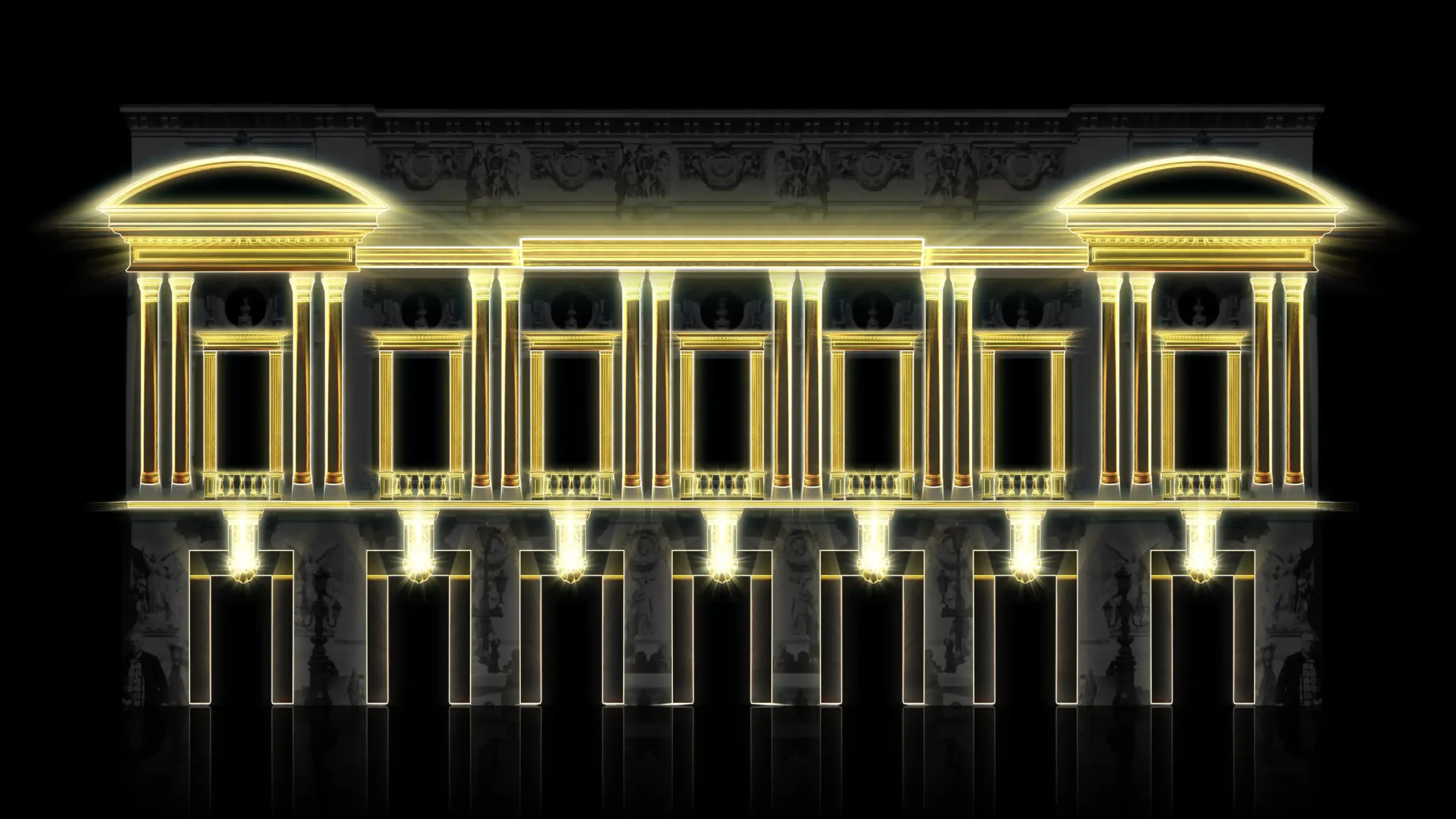
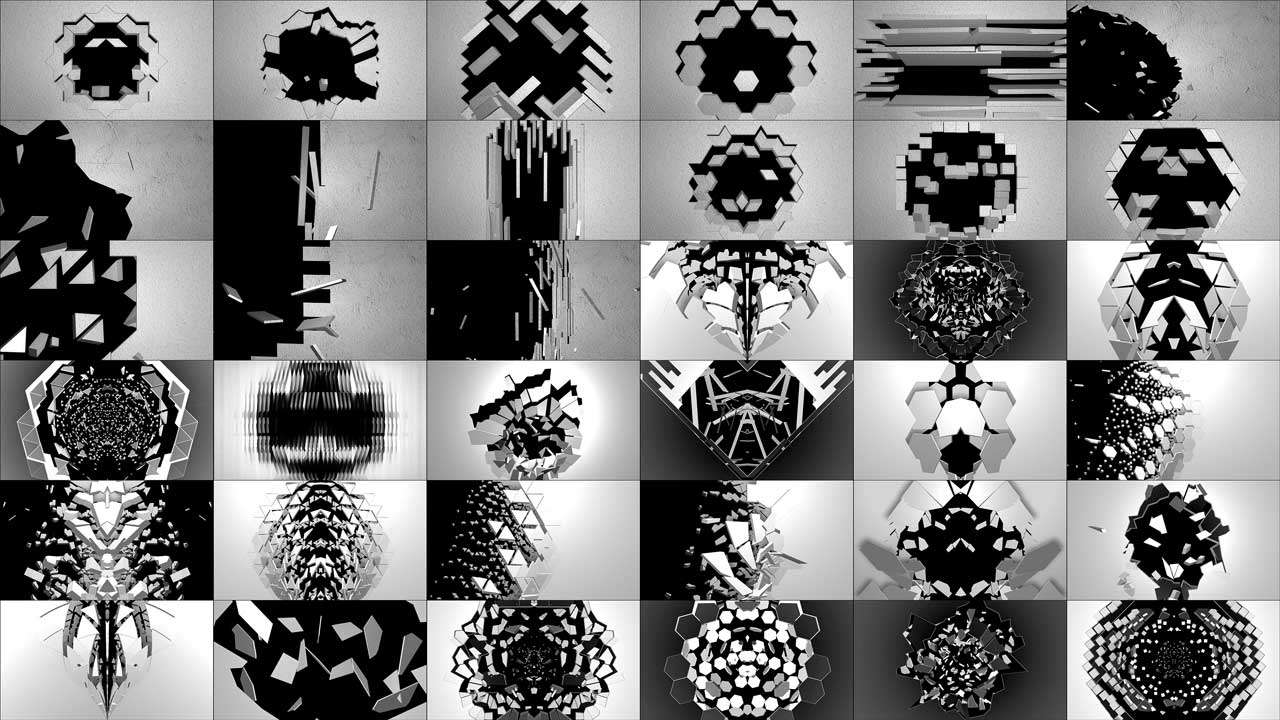
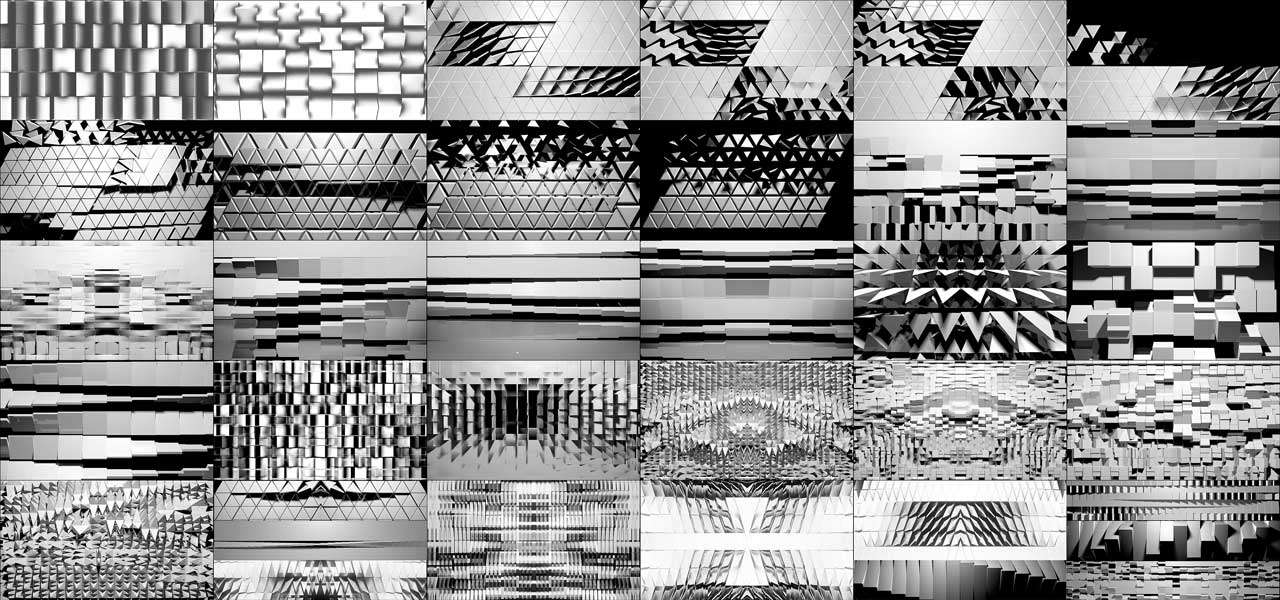
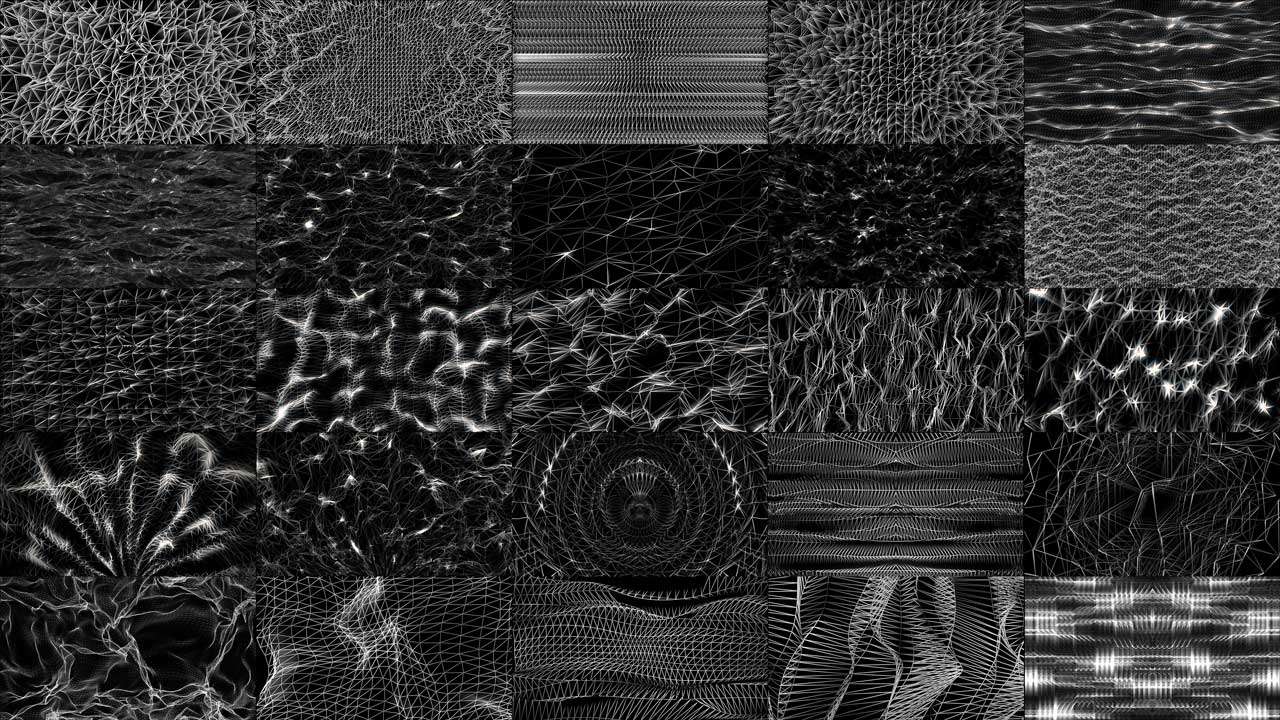
This is the part of the business we run at LIME ART GROUP, so treat the next paragraph as disclosure rather than neutral advice. Our video mapping loops and video mapping toolkits exist for the second category — architectural elements, masks, transitions and modular scenes designed to be cut to a facade rather than watched as films. For interior work the immersive visuals category holds ultra-wide 16K and 24K content built for rooms where the audience stands close to the surface, and the fulldome visuals category covers domes, which remain the most reusable format in the whole discipline.
For anyone costing an interior immersive project rather than a festival route, the Immersive Projection Business Guide in our Books & Guides section covers the commercial model specifically. And if you want the full breakdown of what a mapping show costs by scale, that lives in our pricing article.
Immersive & Fulldome Visuals
Ultra-wide 16K and 24K content for rooms and domes – the formats that get reused
-
Video Mapping Loops Pack Vol.2 – Smart Reflection
99€ -
Video Mapping Loops Pack Vol.8 – Gold Edition
129€ -
Video Mapping Loops Pack Vol.5 – Panorama
99€ -
Video Mapping Loops Pack Vol.10 – Transition
99€ -
Video Mapping Loops Pack Vol.3 – Fallen & Rise
99€ -
Video Mapping Loops Pack Vol.14 – Massive Turn
99€ -
Video Mapping Loops Pack Vol.6 – Wire Texture
99€ -
Video Mapping Loops Pack Vol.9 – Color Maps
99€ -
Video Mapping Loops Pack Vol.18 – Ultrawide Walls
129€





Light pollution is now a curatorial problem
This is the section that will age best, so it is worth reading even if it is not yet on your funder’s checklist.
DarkSky International’s 2025 review of the science is unambiguous: artificial light at night has measurable population-level effects on insects, disorients migrating birds, and misdirects sea turtle hatchlings, and the global level of light pollution has risen by at least 49% over 25 years. A festival that fills a city centre with 40 lit sites is a participant in that, not an observer of it.
i Light Singapore has written the response into its curation for years — artworks are required to use energy-saving lighting and environmentally responsible materials as a condition of selection, not as a marketing line afterwards. That is the model worth copying, and the reason it works is that it is a specification, not a statement.
Concretely, what belongs in the artist brief:
- A per-work power ceiling in watts, stated before selection rather than discovered at load-in.
- Upward light spill limits and required shielding angles, especially near parks, water and nesting sites.
- A curfew time, published, and enforced.
- Total measured energy across the run, published afterwards in kilowatt-hours.
The last one is the one nobody does, and it is the one that converts a sustainability claim into a defensible fact. It is also, per Cvent’s finding, precisely the difference between a claim a funder trusts and one that quietly damages you.
Seven recommendations for your next edition
- Design edition two while you design edition one. Modular rigs, remountable works, reusable content masters. The festivals that closed were the ones rebuilding from zero every year.
- Extend the run before you extend the route. Nights are the cheapest scale you can buy. Twenty works over six weeks beats forty works over three nights on almost every metric a funder examines.
- Publish four operational metrics, not one economic impact figure. Cost per artwork, cost per attendee, dwell time per site, kilowatt-hours across the run. Modelled impact numbers are discounted by everyone who reads them.
- Commission two to four hero works and adapt the rest. Fully custom content across a full route is arithmetically impossible on a public budget, and pretending otherwise is how programmes get cut mid-planning.
- Put one genuine interactive work on the route, not five. Apply the test: if removing the audience does not change the piece, price it as a screening and be honest in the wall text.
- Write energy, spill and curfew limits into the artist brief as numbers. Then measure and publish. A specification survives a funding review; a statement does not.
- Own your masters and never depend on one hosted model. Sora’s shutdown gave production teams a few months of notice. The next one may give fewer.
Frequently asked questions about light festivals
What are the biggest light festivals in the world by attendance?
By published 2025 figures, Vivid Sydney reported 2.53 million attendees across 23 nights and Lyon’s Fête des Lumières more than 2 million across four evenings. Signal Festival in Prague reports around half a million, and Amsterdam Light Festival runs 53 nights with 27 artworks. Attendance methodologies differ between cities, so treat cross-festival comparisons as approximate rather than exact.
How much does a drone light show cost in 2026?
Industry rates run roughly $200 to $300 per drone, with most operators setting a 100-drone minimum. That puts a small branded show at $7,000 to $20,000, a typical narrative show of 200 to 300 drones at $20,000 to $70,000, and a Lyon-scale 500-drone set piece well above $70,000. A drone show is a scheduled five-to-twelve-minute event, not a four-hour environment, so it is not a like-for-like replacement for a projection site.
Are drone shows replacing projection mapping at light festivals?
No — they are being added alongside it. Lyon added its first drone show in 2025 while still presenting 23 projection and installation works. Drones create a gathering moment with a fixed start time; projections create an environment people move through for hours. Most large festivals now programme both.
How much does content for a light festival cost?
Fully custom 2D or 3D narrative animation runs roughly €3,000 to €10,000 per finished minute, and photoreal work with character animation €10,000 to €30,000 or more. Licensed content adapted to a specific surface lands nearer €150 per minute plus adaptation labour. A twenty-work route of four-minute pieces is 80 minutes of animation, which is why every major festival mixes commissions with adapted library work.
What resolution do I need for facade projection mapping?
Far less than most people assume. A 20 to 40 metre facade is well served by 3840×2160 to 7680×2160, because viewers stand tens of metres away and the impact comes from geometry and contrast rather than pixel density. Interior immersive rooms are the opposite case: viewers stand two to four metres from the surface, so 16K ultra-wide content and above is genuinely visible there.
Why did Lumiere Durham end?
Artichoke and Durham County Council confirmed the November 2025 edition as the last, citing rising costs and shifting public funding priorities. The final edition drew 120,000 visitors across three nights with 30 artworks, and the festival’s cumulative economic impact since 2009 was reported at £43 million. It is the clearest evidence available that audience success alone does not secure a festival’s future.
Do light festivals cause light pollution?
They contribute to it, and the field is starting to say so openly. Global light pollution has risen by at least 49% over 25 years, with documented effects on insects, migratory birds and sea turtles. The workable response is specification rather than apology: per-work wattage ceilings, upward spill limits, shielding angles, published curfews, and total measured energy published after the run. i Light Singapore has built material and energy requirements into its selection criteria for years.
Should a light festival use AI-generated content?
It can, with two conditions. First, the AI should be the premise of the work rather than a way to skip making it — Dataland’s Large Nature Model, built on 1.2 billion ecological data points, is the difference between a concept and a shortcut. Second, never let a hosted model sit on the critical path to an opening night. OpenAI discontinued Sora’s app in April 2026 and its API in September 2026; teams that had built pipelines around it had to rebuild them.
Sources
Visit County Durham and Durham County Council — Lumiere 2025 final edition, 120,000 visitors, 30 artworks, 11 countries, cumulative £43 million impact.
LUCI Association — commentary on the end of Lumiere Durham and on budget pressure across the light festival sector.
NSW Government and Destination NSW — Vivid Sydney 2025 attendance of 2.53 million, 89.1% hotel occupancy, dining figures; Vivid Sydney 2026 dates 22 May to 13 June, 6.5 km Light Walk.
Ville de Lyon and French regional press — Fête des Lumières 2025, 23 creations at 20 locations, more than 2 million visitors, first drone show in festival history, 500 drones by Allumée at Parc de la Tête d’Or.
Signal Festival — 13th edition 16 to 19 October 2025, record 20 installations, Signal Space gallery opened in the Old Town Market Hall.
Amsterdam Light Festival — 14th edition, 27 November 2025 to 18 January 2026, theme Legacy, 27 artworks by 20 artists.
GLOW Eindhoven — 20th anniversary edition, 8 to 15 November 2025, theme The Light, 87 works with GLOW in the Region.
Festival of Lights Berlin — 8 to 15 October 2025, more than 80 works at 40 locations, AR feature in the official app.
i Light Singapore — 29 May to 21 June 2025, 17 installations, energy and materials criteria in the curatorial brief.
The Drone Girl, Hire UAV Pro and Drone Show Software — 2025 and 2026 drone show pricing per drone and by fleet size.
The Art Newspaper, NPR and Artnet — Dataland opening 20 June 2026 at The Grand LA, Machine Dreams Rainforest, Large Nature Model, 1.2 billion data points, ticket pricing and visitor criticism.
teamLab and Japanese venue reporting — Borderless Azabudai Hills approximately 1.69 million visitors in 2025, Planets Toyosu approximately 2.51 million, Kyoto Biovortex opened October 2025.
Ars Electronica — 2025 festival theme PANIC yes/no, Linz, 3 to 7 September 2025.
OpenAI Help Center and industry reporting — Sora web and app discontinued 26 April 2026, Sora API scheduled to close 24 September 2026.
Derivative and Epic Games documentation — TouchEngine plugin for Unreal Engine, Notch TOP inside TouchDesigner.
Barco, Panasonic and Christie product material — QDX up to 40,000 lumens, I600 under 25 kg, PT-MZ16KL at 16,000 lumens WUXGA, CP4410m-RGBH announced for CinemaCon 2026.
DarkSky International — Artificial Light at Night, State of the Science 2025; light pollution rise of at least 49 percent over 25 years.
Cvent 2026 event trends briefing — budget and cost pressure, 63 percent of planners citing engagement as primary success metric, trust damage from unmeasured AI and sustainability claims.
Lake Heckaman, What is New about New Media Art — the argument that participatory real-time systems place the observer inside the work.
What to do next
If you are commissioning: decide your content split before you approach artists, because it determines the brief. Two to four hero commissions and the rest adapted from library sources is the structure that fits a public budget.
If you are producing content: the reusable formats are where the margin is. Dome, interior immersive and modular architectural elements get shown more than once; a bespoke facade piece for one building gets shown once.
If you are choosing content for a route or a room, the categories below are organised by surface rather than by style, which is the way the decision actually gets made. And if you want the festivals you can submit work to rather than commission for, the open-call guide covers that side.
Latest Feature Visuals
Hand-picked content by our New Media Artists
-
Deep Serenas – Immersive Visuals Vol.2
149€ -
Sale!
Interior Patterns – Immersive Visuals Vol.1
Original price was: 249€.199€Current price is: 199€. -
Sale!

 Select options This product has multiple variants. The options may be chosen on the product page
Immersive Projection Business Guide
Original price was: 19€.12€Current price is: 12€. -
Sale!
Pink Love – Video Mapping Wedding Cake Visuals Vol.2
Original price was: 249€.149€Current price is: 149€. -
Sale!
Green Screen Video Footage Bundle Vol.1 – 5in1
Original price was: 499€.299€Current price is: 299€. -
Sale!
OCCULT VJ Loops Bundle Vol.7
Original price was: 499€.249€Current price is: 249€. -
Sale!
GLITCH VJ Loops Bundle Vol.4
Original price was: 499€.249€Current price is: 249€. -
Sale!
STAGE VJ Loops Bundle Vol.2
Original price was: 499€.249€Current price is: 249€. -
Sale!
Video Mapping Loops Bundle Vol.1
Original price was: 1,000€.549€Current price is: 549€.











Best wishes from Vienna,
Thanks for your attention, faithfully yours,
Alexander Kuiava – Founder & CEO LIME ART GROUP
https://alexanderkuiava.com/
