
How Much Does a Projection Mapping Show Cost in 2026
The article is written by a human. Mistakes have been edited by AI.
All figures checked July 2026. Prices move — treat every number here as a planning range, not a quote.
A hotel on the coast asks for mapping on a 100 m² facade with a budget of €5,000. We get some version of that request most months. The honest answer is that €5,000 buys a real show — just not the one in the reference video they sent.
Who this article is for: clients commissioning a projection mapping show, event producers building a budget before an RFP, and the mapping studios who have to explain their own numbers. Not for people looking for a supplier list.
What it solves: you have a building and a budget and no idea whether they belong together.
What you get by the end: what a show costs by scale in 2026, where every euro goes, why the same brief gets quoted at €5,000 and €300,000, and how to read a quote so you can compare two of them.
Hello dear clients and colleagues. I am new media artist Alexander Kuiava. We have been producing projection mapping content since 2012 and quoting shows for longer than that. I first wrote this article in 2017 because nobody in this industry would publish a number. Nine years later most of them still won’t, so here is the 2026 version.
What a projection mapping show costs in 2026
Short answer: a one-night show on a small building lands between €15,000 and €50,000. A mid-size facade with custom content lands between €35,000 and €85,000. A landmark show runs €100,000 to €250,000 and upwards. An object, a stage backdrop or a cake sits below all of that, from around €1,500.
Those are total project costs — equipment, content, crew, everything except travel and accommodation, which are almost always billed separately.
| Scale | What it is | Content | Equipment & crew | Realistic total |
|---|---|---|---|---|
| Object / cake / DJ booth | 1 projector, indoor, dark | €500–€3,000 | €1,000–€4,000 | €1,500–€7,000 |
| Indoor stage or wall | 2–3 projectors, controlled light | €3,000–€15,000 | €5,000–€20,000 | €8,000–€35,000 |
| Small facade | 1–2 projectors, up to ~15 m wide | €5,000–€20,000 | €10,000–€25,000 | €15,000–€45,000 |
| Mid-size facade, custom show | 4× 20,000 lm, 3–5 min | €12,000–€35,000 | €20,000–€45,000 | €35,000–€85,000 |
| Landmark / festival | 6–20+ projectors, high brightness | €40,000–€150,000+ | €60,000–€150,000+ | €100,000–€250,000+ |
A note on currency. Most published cost guides are American and quote dollars. I have kept dollar figures in dollars rather than converting, because the exchange rate will have moved by the time you read this and a converted number pretending to be precise is worse than an honest one in the original currency.

So what does €5,000 actually buy on a 100 m² facade?
It buys a real show, produced honestly, with these constraints:
- Ready-made content, not custom. Licensed mapping loops and toolkits adapted to the building rather than animated from scratch. This is the single biggest saving available and it removes 60–80% of the content line.
- Local equipment. Two projectors in the 10,000–15,000 lumen class from a rental house in the same country. No freight, no carnet, no international crew.
- A short show. Two to three minutes, looped. Not ten.
- A dark site. If the facade is lit by street lighting you cannot control, that budget is gone before anyone opens a laptop — you will need to jump a brightness tier and the projectors alone will eat it.
What €5,000 does not buy on that facade is a bespoke narrative with character animation, a 3D-scanned model of the building, sound design and a rehearsal night. That combination starts around €25,000 and there is no version of the maths where it does not.
We say this to clients directly, because the alternative — taking the €5,000, delivering something thin, and having everyone disappointed — is worse for both sides.
Where the money actually goes
A useful projection mapping budget has six lines. In our experience and in the published cost guides, they split roughly like this:
| Line | Share of budget |
|---|---|
| Projectors | 35–50% |
| Media server and playback | 10–20% |
| Content production | 15–40% |
| Labour: install, mapping, show, strike | 15–25% |
| Rigging, power, cabling, weatherproofing | 5–15% |
| Permits, insurance, contingency | 5–10% |
Notice that content and labour together frequently exceed the hardware. That is the part most first-time buyers get wrong.
Projectors: brightness is the whole conversation
Best for planning: decide the lumens first, everything else follows.
Price range: €150 to €7,000+ per projector per day, depending entirely on brightness.
You are not buying resolution, you are buying the ability to beat the ambient light on that surface. Current market rates, per unit:
| Brightness | Typical use | Buy price | Day rental |
|---|---|---|---|
| 3,000–5,000 lm | Object mapping, dark indoor | $1,500–$6,000 | $150–$400 |
| 7,000–12,000 lm | Mid-size interior, controlled light | $8,000–$25,000 | $400–$900 |
| 15,000–20,000 lm | Large interior, small facade | $25,000–$60,000 | $900–$2,500 |
| 25,000–40,000+ lm | Building facades, high ambient | $60,000–$150,000+ | $2,500–$7,000+ |
Each step up roughly multiplies the unit cost by two to four. Which means the cheapest way to reduce a projection mapping budget is to control the ambient light. Turning off the street lighting on the square, or moving the show an hour later, can drop you a whole tier and take five figures out of the quote. This costs nothing except a conversation with the city.
Two more things that move the number:
Laser has replaced lamps for anything serious. A laser projector costs 30–60% more upfront but runs around 20,000 hours at stable brightness with no lamp changes. Lamps cost $300–$2,000 each and last 2,000–5,000 hours, and they dim as they age — which matters when you have four projectors edge-blended and one of them is 15% darker than its neighbour.
You pay for more days than the show. Standard practice is a minimum two- to three-day booking: one day to rig and align, one for the show. Some rental houses start the clock when the projector leaves the warehouse, so transport days are billable. Always ask which convention the quote uses; it is a 30–50% swing on the equipment line.
The media server: the line people leave out
Best for planning: budget it separately, always.
Price range: €300 for a laptop-and-software setup to €80,000+ for a show-grade server.
The media server warps the image to the building geometry, blends the seams between projectors and plays everything back in sync. For one projector on a flat wall a capable laptop with mapping software will do. Beyond that it is a real piece of infrastructure.
| Tier | What it is | Cost |
|---|---|---|
| Entry | Laptop + mapping software, single output | $300–$2,000 |
| Mid | Multi-projector blending, timeline playback | $3,000–$15,000 |
| Show-grade | disguise, Pixera, Watchout, Hippotizer | $15,000–$80,000+ |
Rental for a professional server runs roughly $500–$3,000 per day and is usually bundled with the projector package. A perpetual mapping software licence is a few hundred euro — Resolume Arena, the most common choice on European jobs, is €799 for one computer with an optional €219 annual renewal. If you want the full comparison, we wrote a guide to video mapping software and a longer list of VJ and mapping tools.
Content: the number that varies most
Best for planning: decide custom versus ready-made before anything else.
Price range: €500 to €10,000+ per finished minute.
This is where quotes diverge by a factor of twenty, and it is not because some studios are dishonest. It is because “one minute of mapping content” describes completely different amounts of work.
| Content type | Cost per minute |
|---|---|
| Licensed ready-made loops, adapted to the building | €150–€1,000 |
| Simple custom: abstract motion, branded patterns, geometric | €1,000–€3,000 |
| Custom 2D/3D animation with a narrative | €3,000–€10,000 |
| Photoreal 3D, character animation, full sound design | €10,000–€30,000+ |
For a whole show rather than per minute: a simple loop package runs $3,000–$10,000, custom animation $10,000–$40,000, and premium photoreal 3D $40,000–$150,000 and beyond.
The cost drivers, in order of impact: run time (a 90-second hero loop is not one-fifth of an eight-minute show, it is closer to one-tenth of the work), surface complexity (a flat wall versus a multi-plane facade with cornices, balconies and recesses), photorealism and 3D, sound design as its own line, and revision rounds — bake them into the contract or they arrive as change orders.
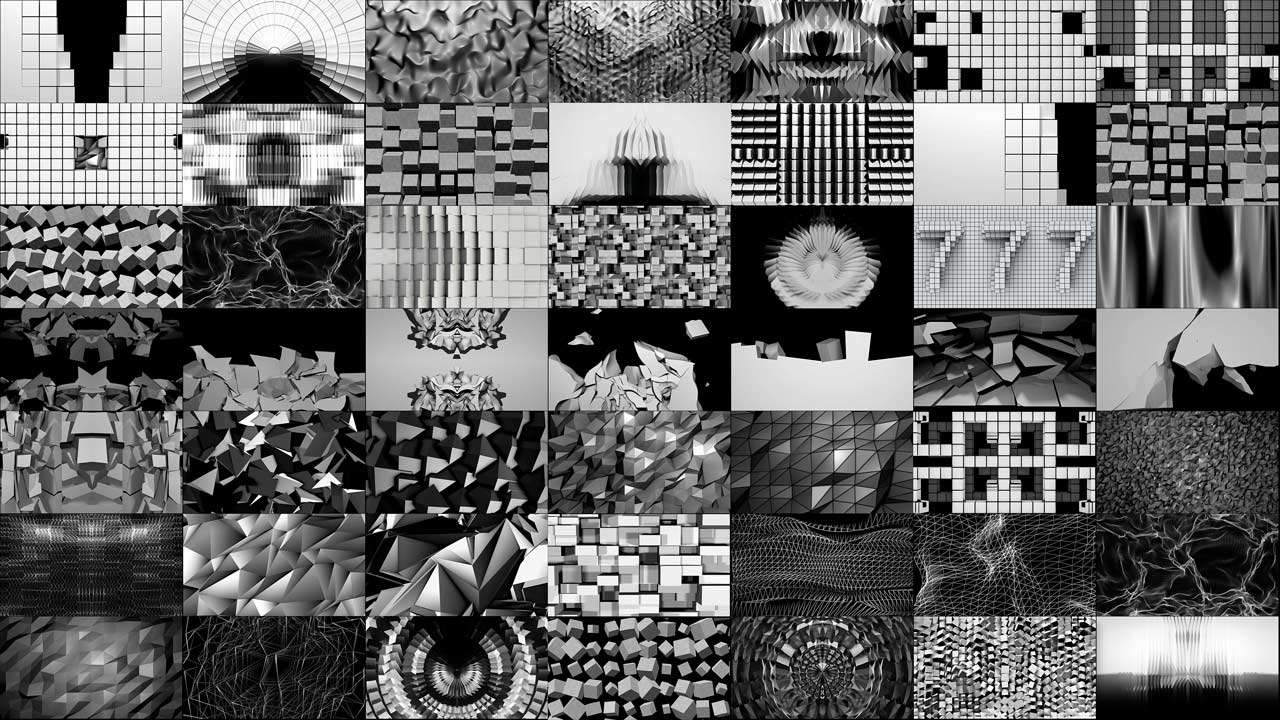
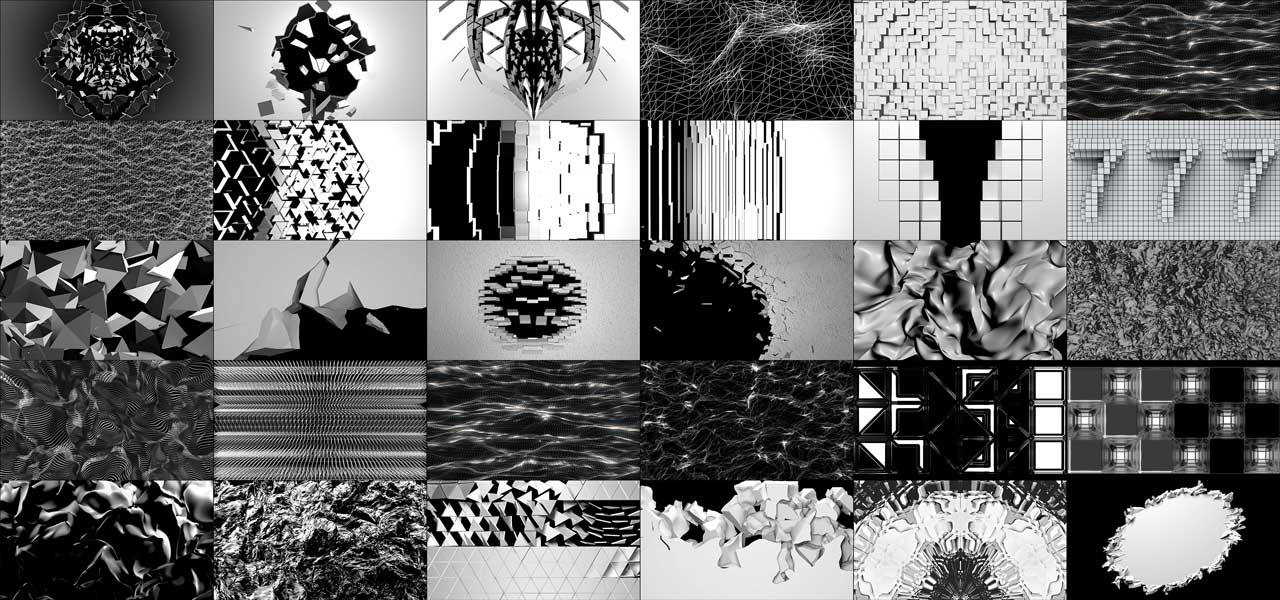
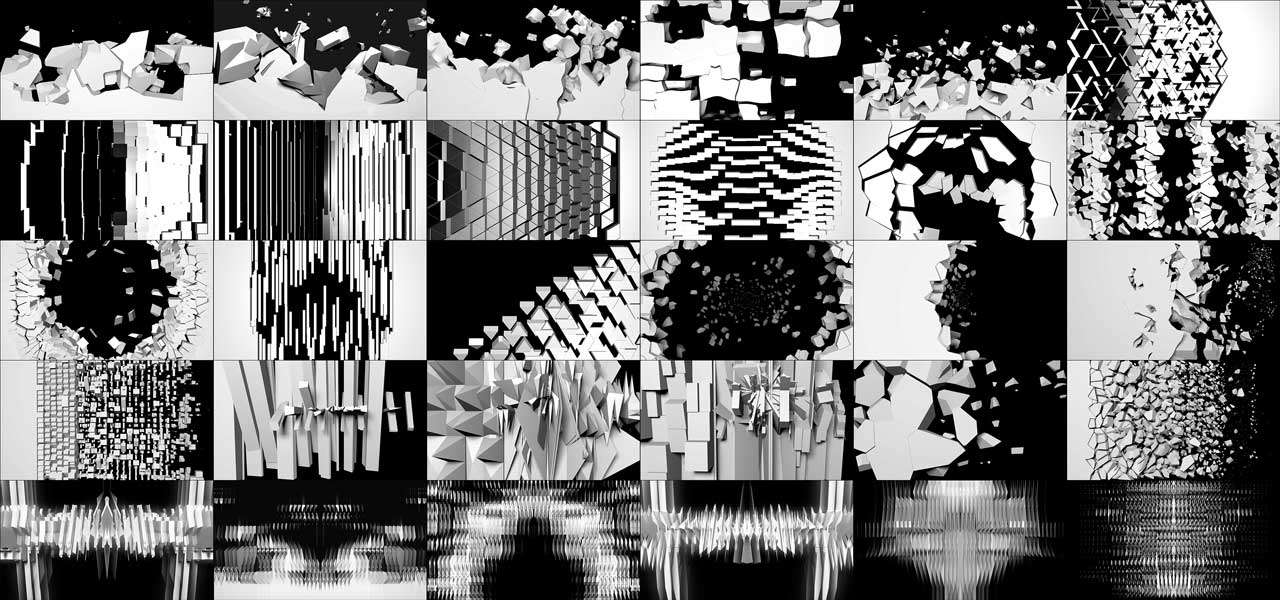
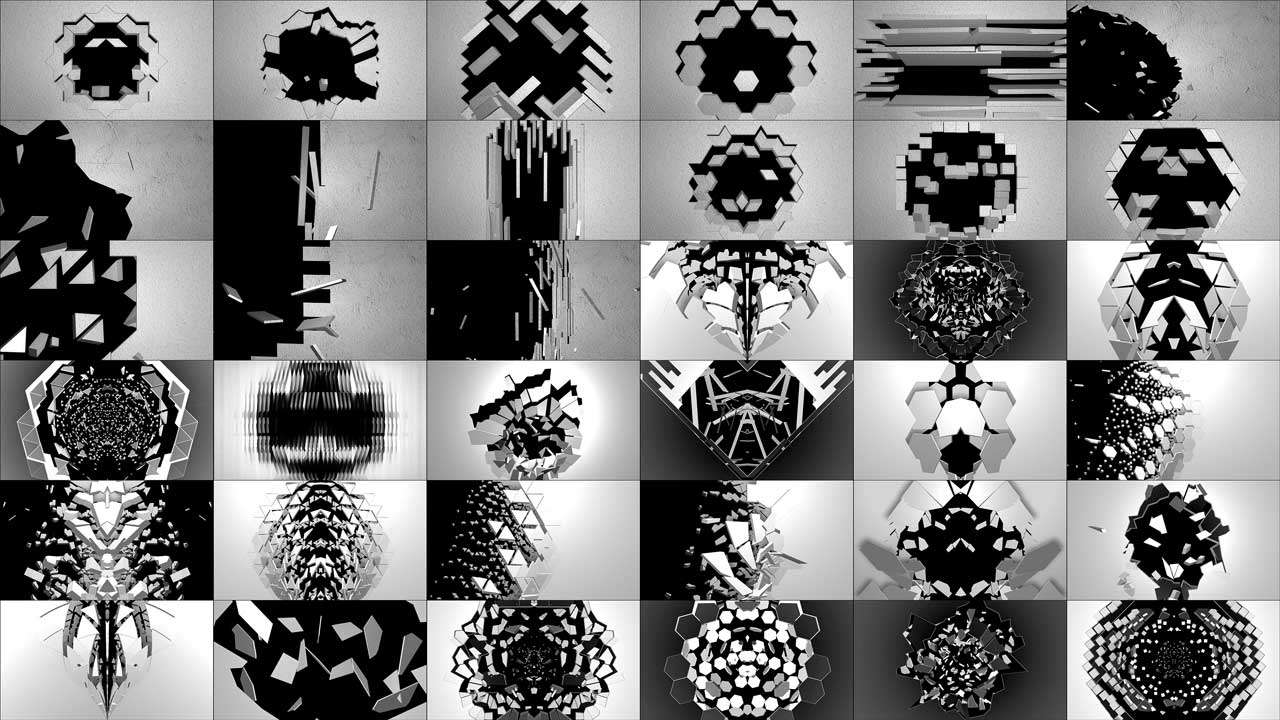
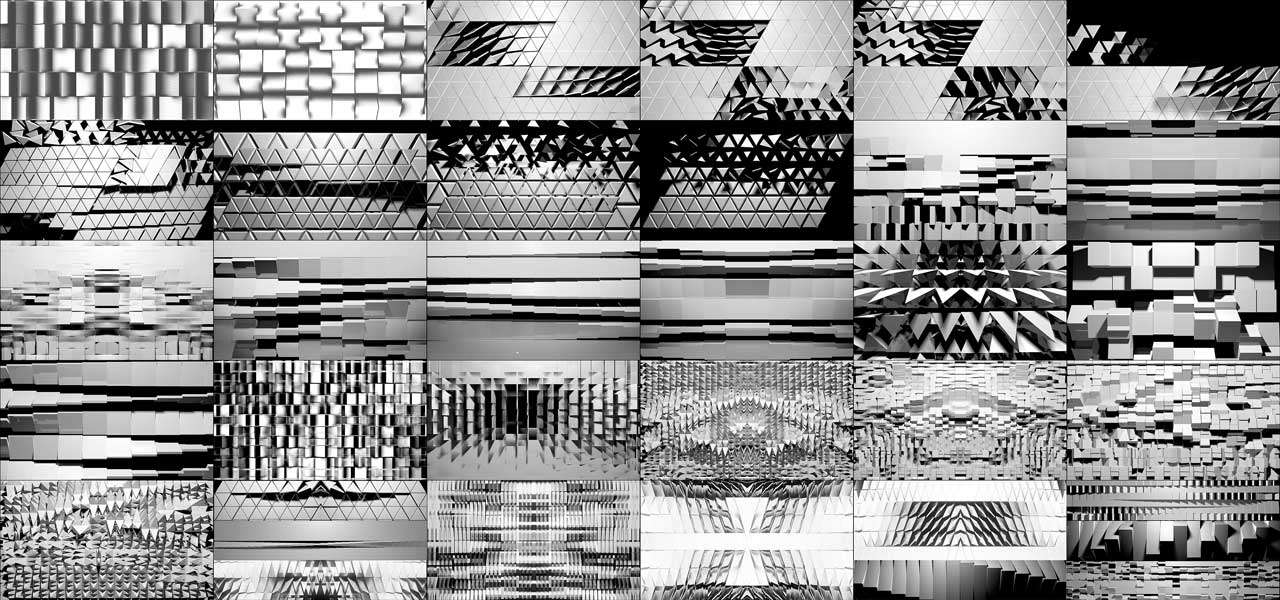
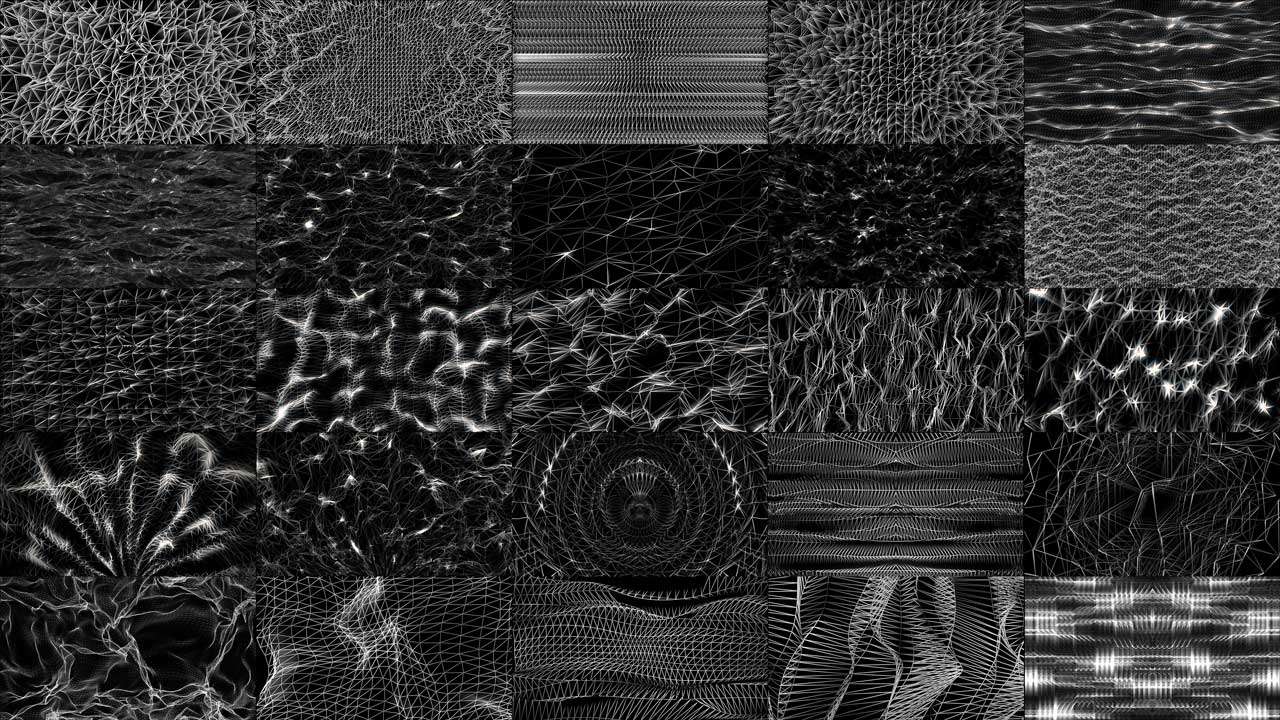
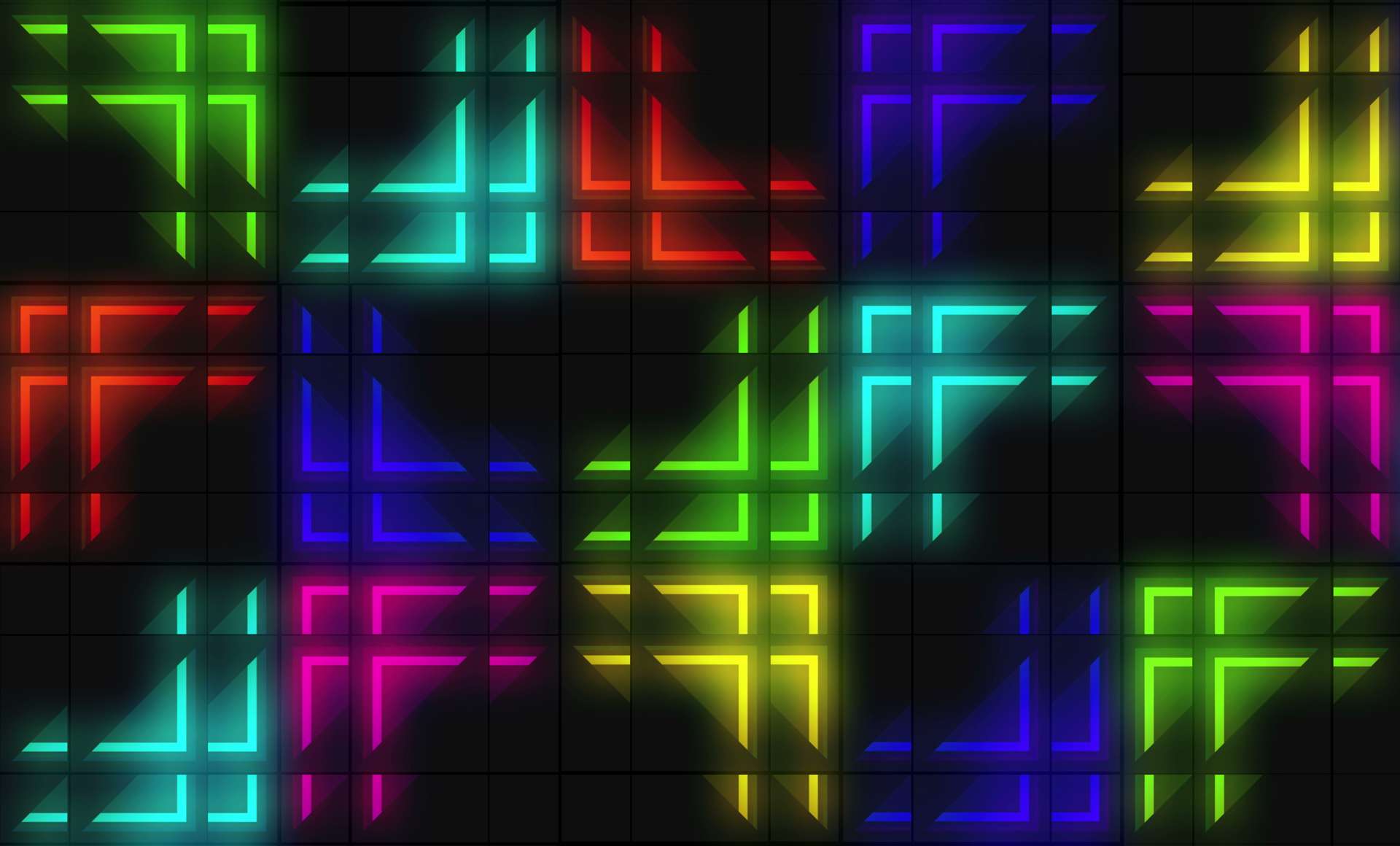
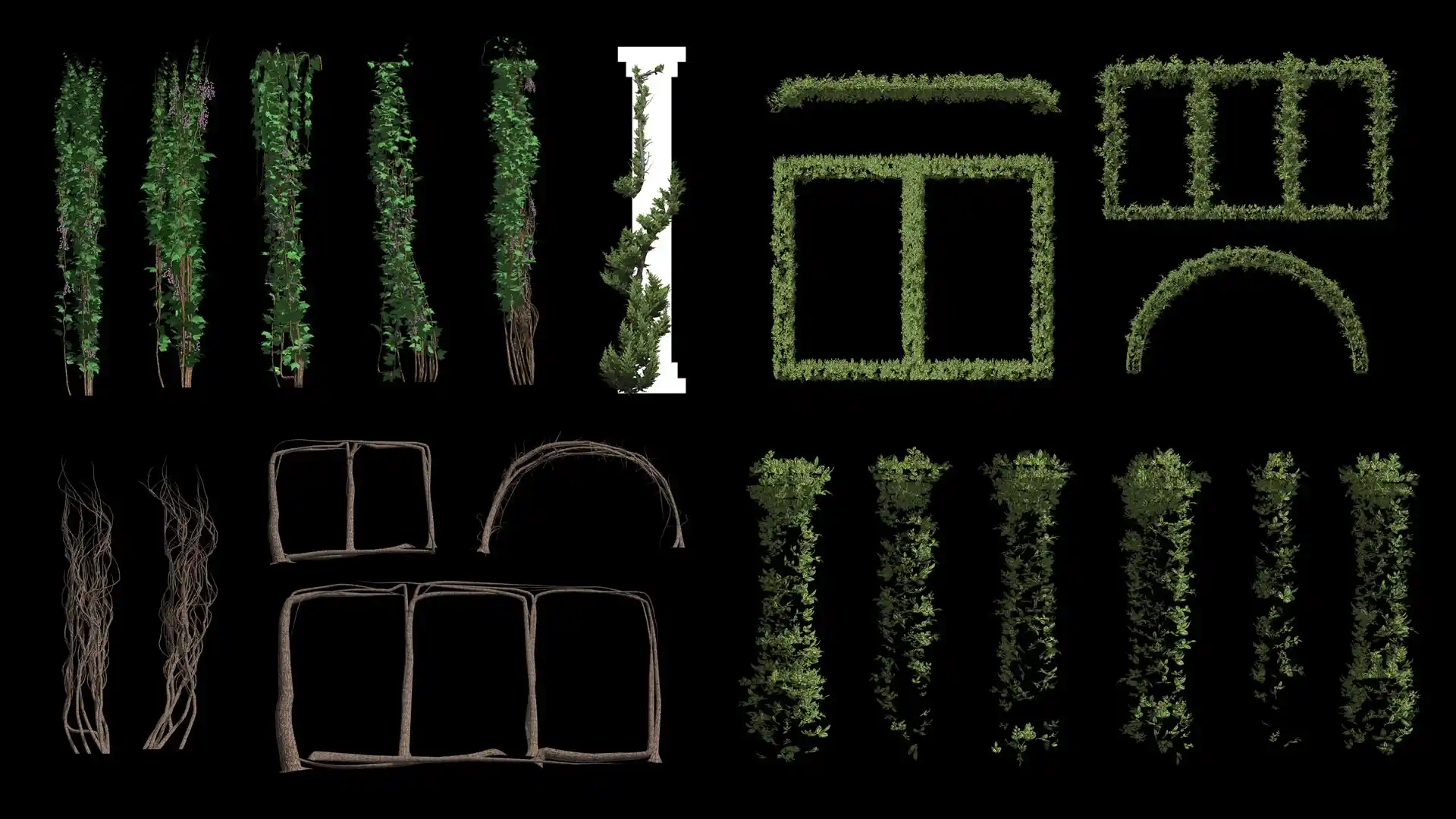
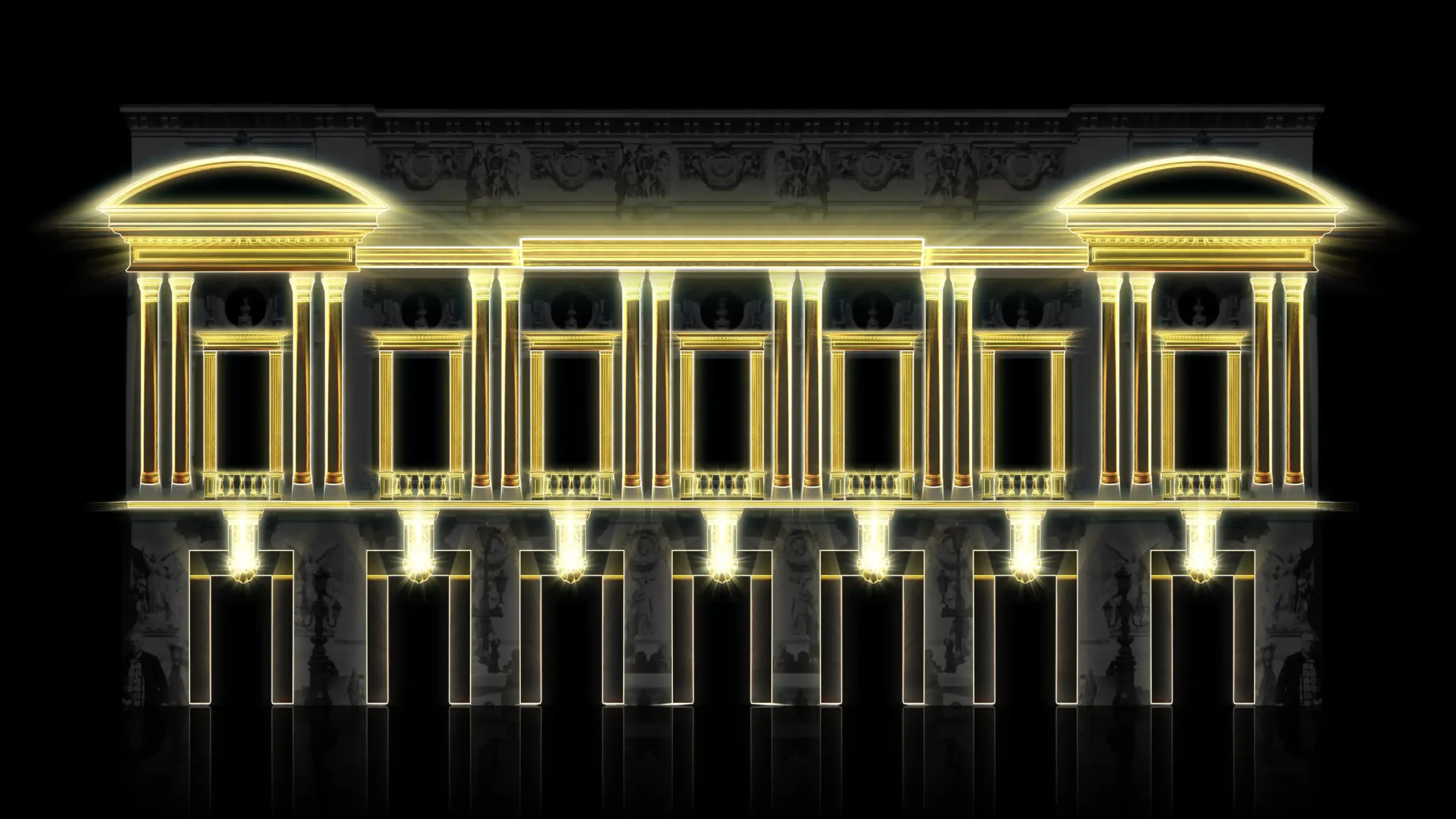
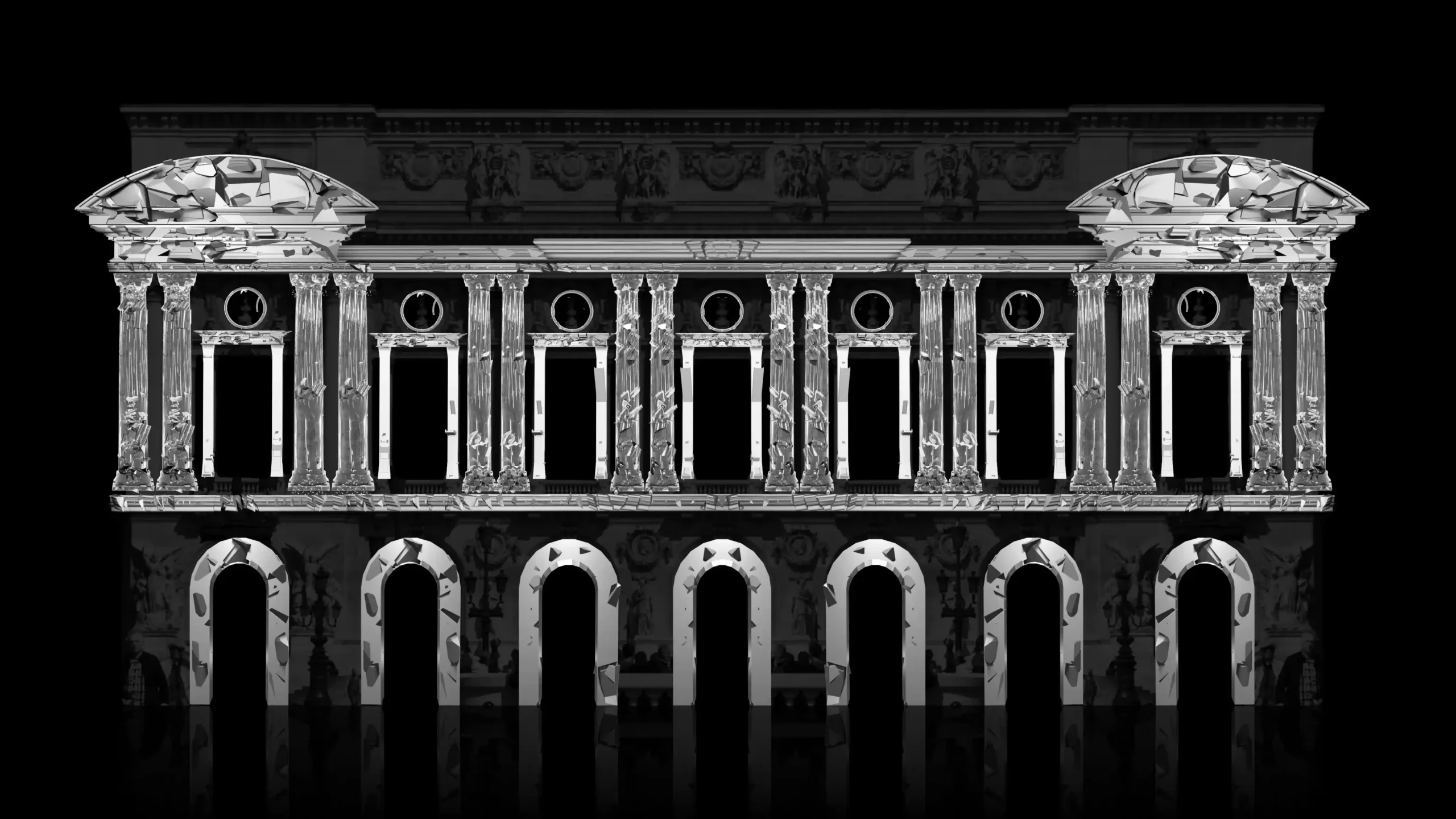
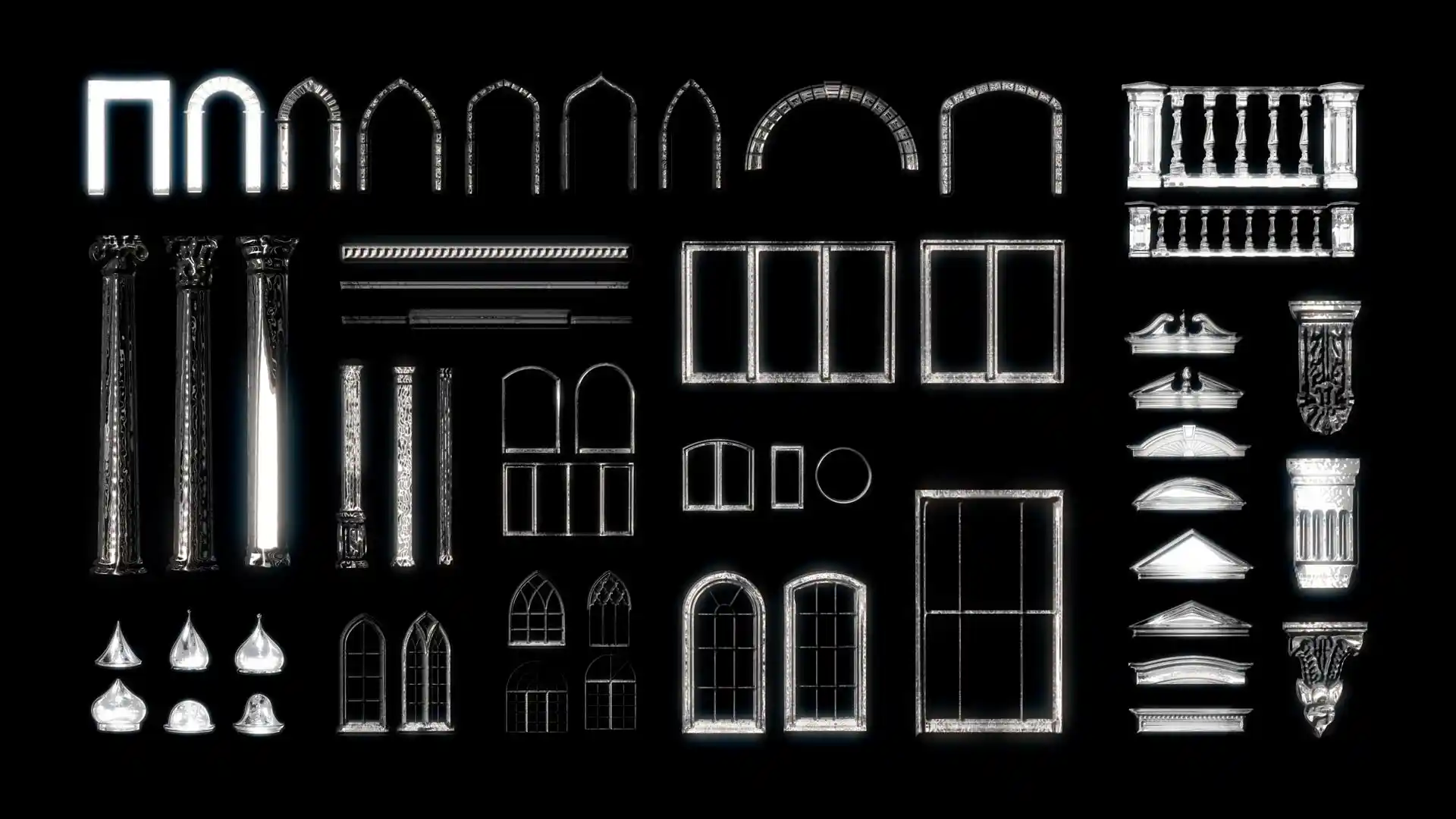
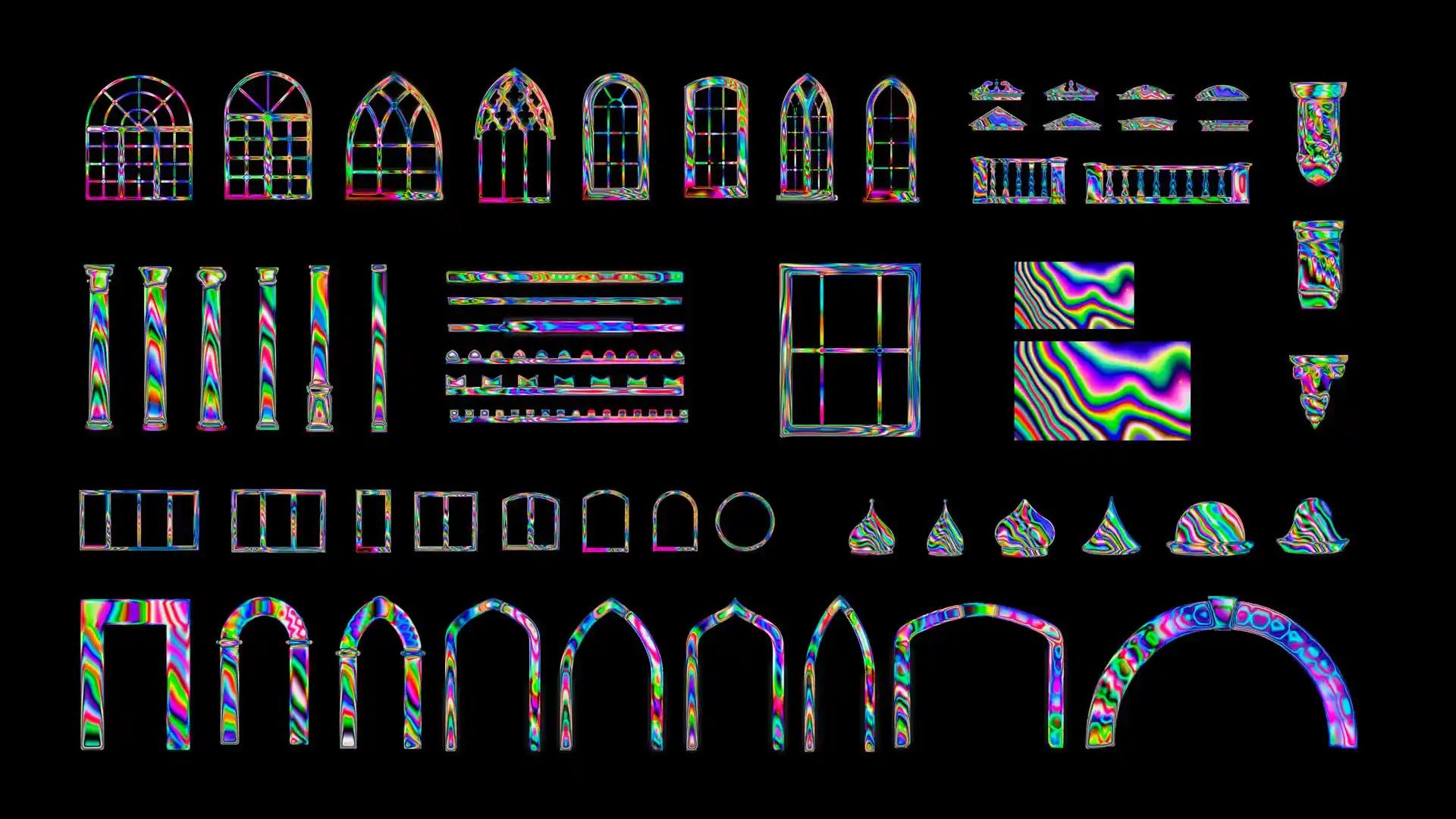
The ready-made route is not a compromise for most events. A licensed video mapping loop pack or toolkit costs €19–€199 and adapts to the building in a day of compositing rather than six weeks of animation. For a corporate party, a wedding, a Christmas facade or a regional festival that is usually the right call. Save custom production for the shows where the story is the point.
Video Mapping Loops
Royalty-free 3D visuals for facades, objects and stages
-
Video Mapping Loops Pack Vol.2 – Smart Reflection
99€ -
Video Mapping Loops Pack Vol.8 – Gold Edition
129€ -
Video Mapping Loops Pack Vol.5 – Panorama
99€ -
Video Mapping Loops Pack Vol.10 – Transition
99€ -
Video Mapping Loops Pack Vol.3 – Fallen & Rise
99€ -
Video Mapping Loops Pack Vol.14 – Massive Turn
99€ -
Video Mapping Loops Pack Vol.6 – Wire Texture
99€ -
Video Mapping Loops Pack Vol.9 – Color Maps
99€ -
Video Mapping Loops Pack Vol.18 – Ultrawide Walls
129€










Crew, rigging and the things that appear at the end
- Technicians: €50–€200 per person per day, plus travel and accommodation. A mid-size facade needs two; a large one needs three or four.
- Rigging: ground-based setup €500–€2,000. Truss or ceiling mount €2,000–€8,000. Weatherproof outdoor housing €5,000–€20,000.
- Signal: fibre or optical HDMI runs for long throws €500–€3,000, plus splitters, converters and backup €300–€1,500.
- Permits: €200–€5,000+ depending on the city, and some heritage buildings charge a separate fee just for the use of the facade.
- Contingency: 5–10%. On an outdoor show in October this is not optional.
The 60–80% projector myth
The persistent belief in this industry is that projector rental makes up 60–80% of a mapping budget. It does not, and it never did.
The published cost breakdowns put projectors at 35–50%, and at the top of the market the ratio inverts completely. There are agencies charging $180,000–$300,000 to produce ten minutes of content for a building of average height where the equipment for that show costs around $30,000 a day. On those projects the hardware is the cheap part.
Where the myth comes from is the low end. On a €5,000 object mapping job with licensed content, the projector genuinely is most of the bill. People generalise upward from there, and it stops being true the moment the content stops being generic.
Why two companies quote €5,000 and €300,000 for the same building
Both quotes can be honest. They are pricing different things.
When we surveyed the market for the first version of this article, one Belgian studio quoted €320,000 for ten minutes and a Belarusian one quoted €2,000 for ten minutes including the physical setup. The British studios sat around €180,000. That spread has not narrowed since. What sits inside it:
Who absorbs the failure. At €5,000 the risk is yours. If a projector dies at 19:40 the show does not happen. At €300,000 there is a spare unit on site, a second media server, a redundancy plan, insurance and a company with something to lose. You are not buying pixels, you are buying the probability that the show runs.
How much of the work is bespoke. Ready-made content adapted to a building and an original 3D-scanned narrative are different products with the same description.
Brand and demand. A studio with a landmark in its portfolio prices accordingly, and clients pay it, because for a national anniversary or a brand launch the downside of a mediocre show is much larger than the price difference.
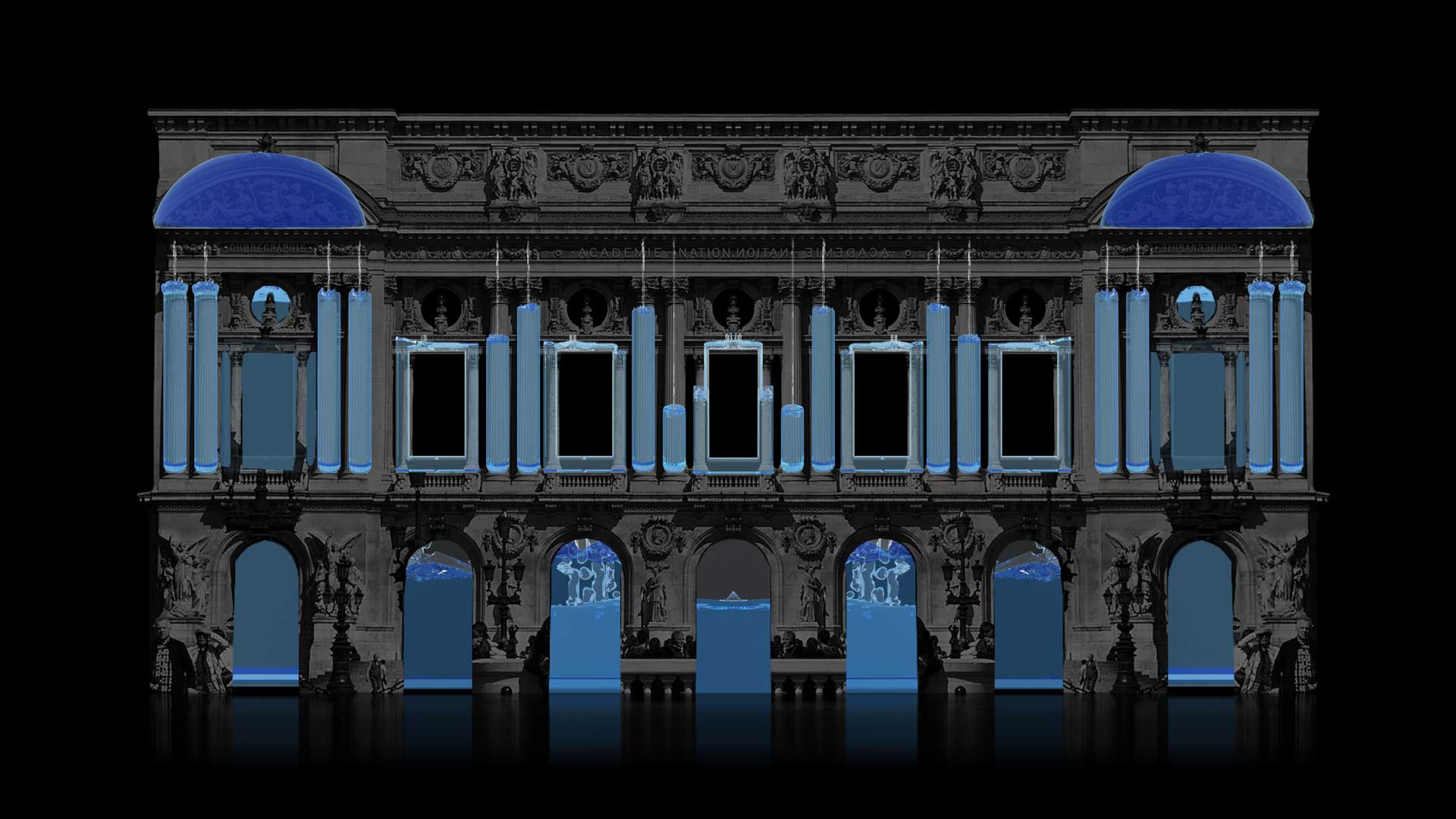
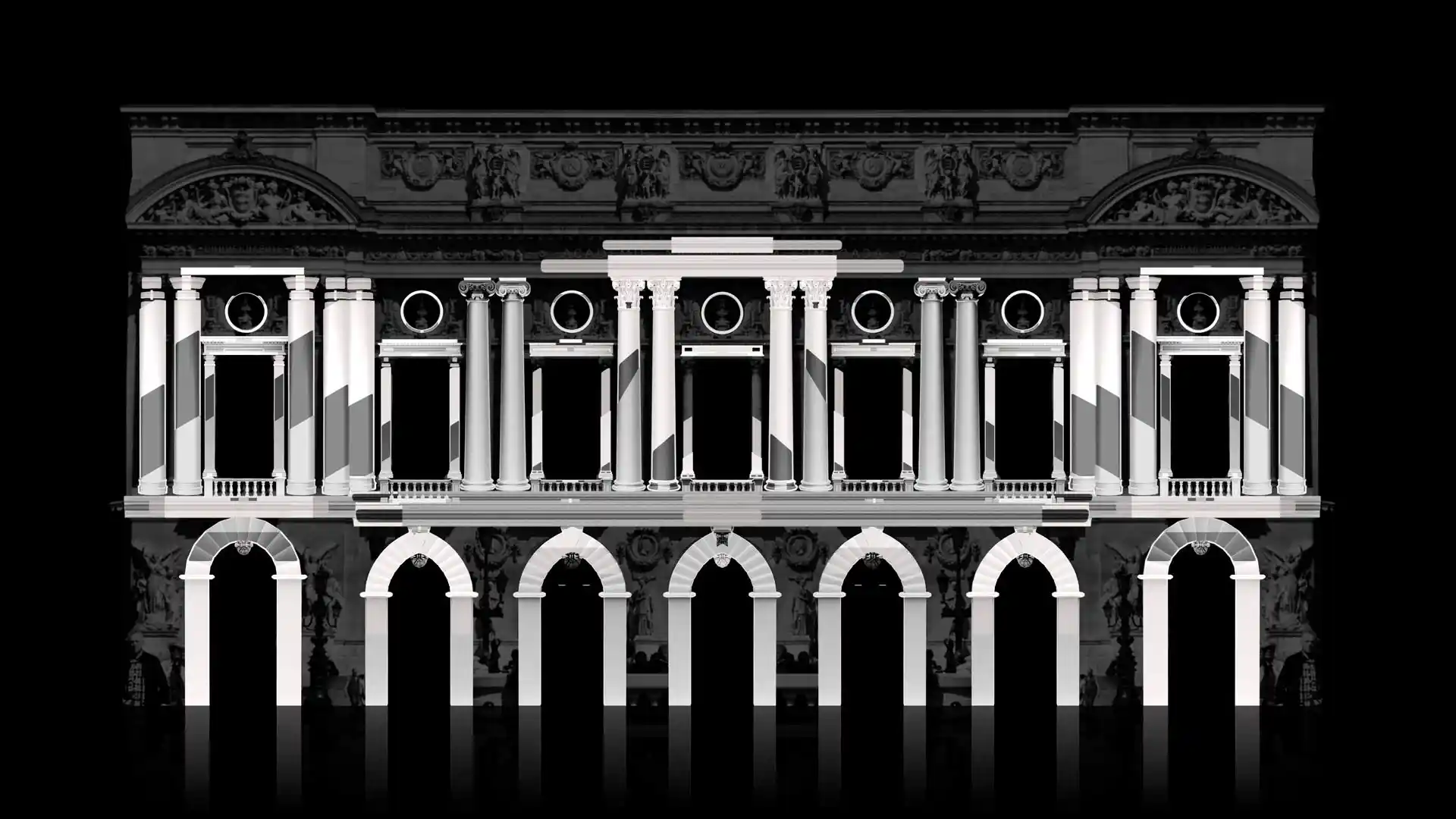
Look at any of the big fashion or brand shows and a lot of the animation is simple — cut a frame out and a first-year student could rebuild it in a week for a few hundred euros. The price is not in the frames. It is in the fact that a team who have done it forty times will not let it fail on the night.
Video Mapping Toolkits
Architectural elements ready to composite onto any facade
-
Sale!
Video Mapping Toolkit Vol.1 – Green Nature
Original price was: 189€.129€Current price is: 129€. -
Sale!
Video Mapping Toolkit Vol.2 – Call Poseidon
Original price was: 189€.89€Current price is: 89€. -
Sale!
Video Mapping Toolkit Vol.3 – Facade
Original price was: 149€.99€Current price is: 99€. -
Sale!
Video Mapping Toolkit Vol.5 – Light Ray
Original price was: 149€.99€Current price is: 99€. -
Sale!
Video Mapping Toolkit Vol.10 – Stone Reflect
Original price was: 149€.99€Current price is: 99€. -
Sale!
Video Mapping Toolkit Vol.4 – Liquid Displace
Original price was: 149€.99€Current price is: 99€. -
Sale!
Video Mapping Toolkit Vol.8 – Visual LSD
Original price was: 149€.99€Current price is: 99€. -
Sale!
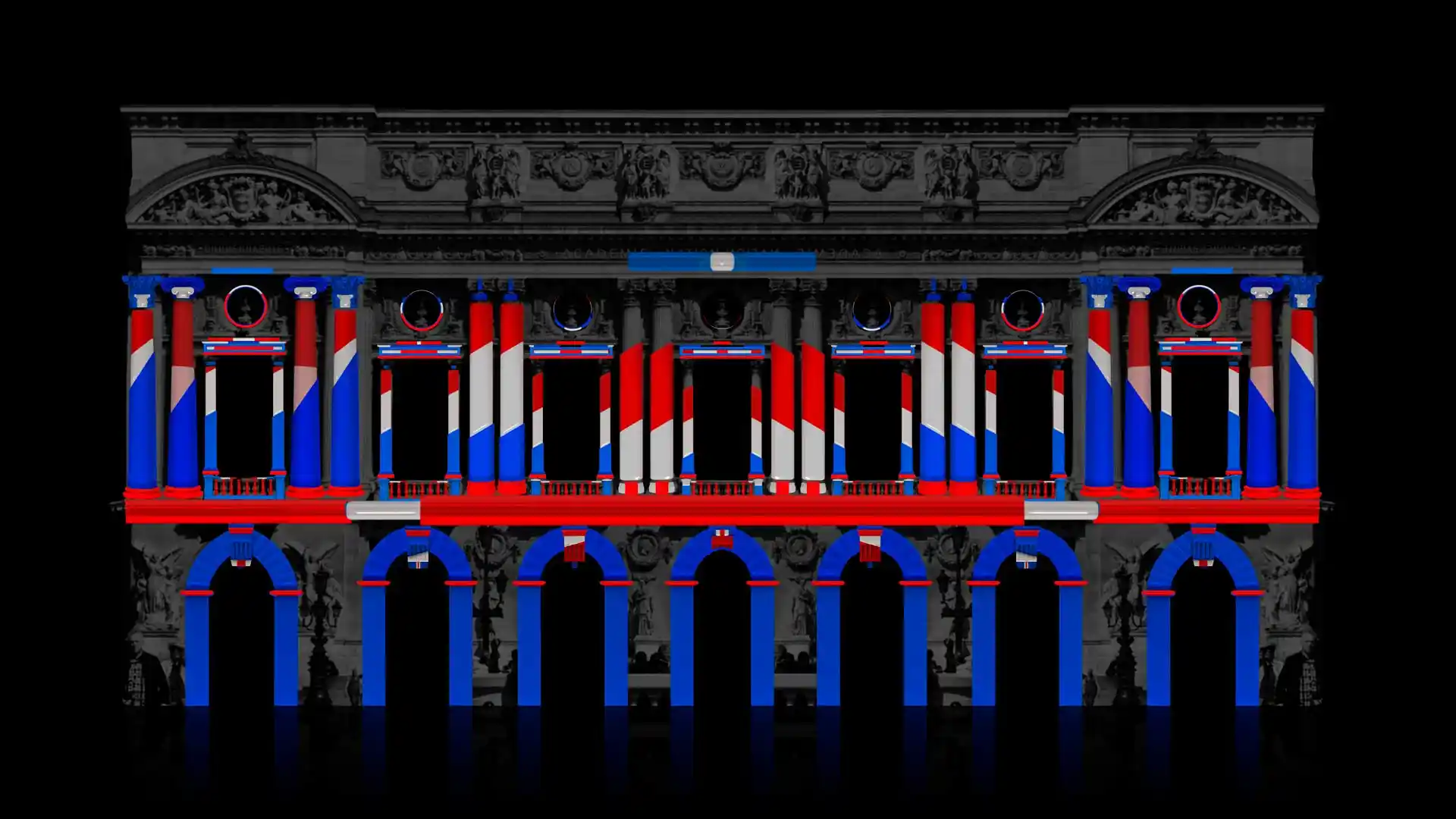
Video Mapping Toolkit Vol.7 – Colorful France
Original price was: 149€.79€Current price is: 79€. -
Sale!
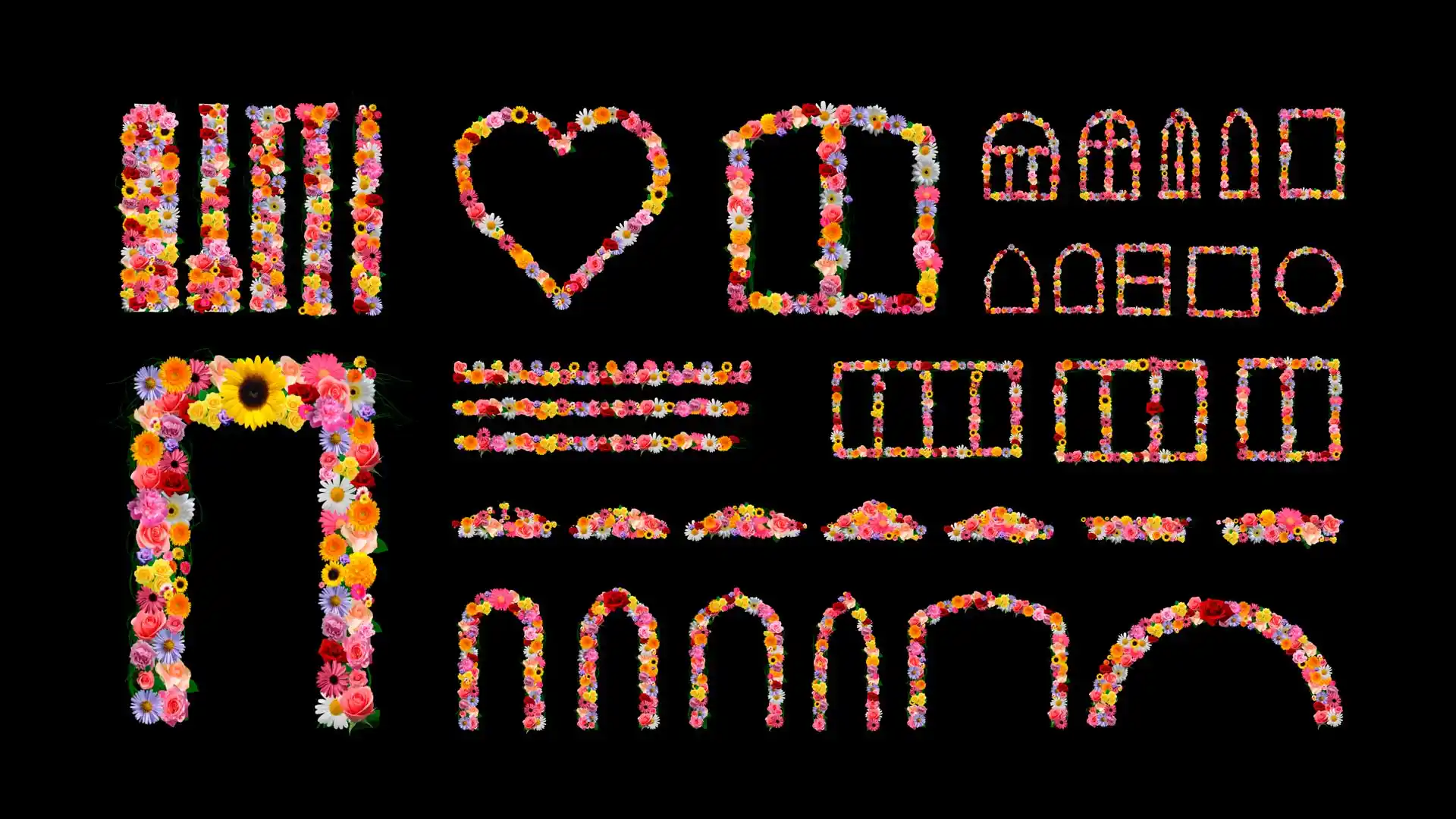
Video Mapping Toolkit Vol.14 – Flower Boom
Original price was: 149€.99€Current price is: 99€.









The dumping problem
Newer studios quote low to get the first credits on the reel. That is a legitimate strategy and I have no complaint about it. The trap is that it trains a client segment to believe €2,000 is the price of a ten-minute architectural show — and those are exactly the clients who will not pay more in year three when the studio needs to be profitable.
If you are starting out: discount the first three projects openly and explain that they are introductory, rather than quoting low as if it were your rate.
How to get a quote you can actually compare
A serious mapping company sends you a proposal in two to three working days. That has been true since we first wrote it and it is still the best filter available. Two to three days means they have their own projectors, media servers and people, and someone in the building can sketch a concept — still images are enough — fast enough to be useful.
If a quote takes longer than three days, there are two likely explanations. Either the company is genuinely overloaded, in which case expect a premium. Or they have forwarded your brief to a rental partner and are waiting, in which case expect the timeline to slip further. Neither is disqualifying, but you should know which one you are dealing with. Big international jobs are the exception: nobody ships ten 20,000-lumen Barcos across a border without logistics, insurance and carnet paperwork, and that takes real time.
What to send with the request
The quality of your quote is capped by the quality of your brief. Send:
- Date, city and exact address of the venue.
- Photographs of the facade — straight-on if possible, ideally at night, and at least one wide shot showing the square and any street lighting.
- Dimensions: height and width, and a note on depth features like columns, balconies or recesses.
- Projection distance available — how far back can a projector actually stand? This determines lens choice and sometimes the entire feasibility.
- Show length in minutes and how many times it repeats in the evening.
- Ambient light conditions and whether you can have anything switched off.
- Power available at the projection position.
- Your budget. Yes, really. Withholding it does not get you a better price, it gets you a quote for the wrong show.
Read our older note on how to order a video mapping show for the full checklist.
What a comparable quote must contain
Refuse a single lump sum. An itemised quote separates:
- Projectors — model, brightness, count, number of billable days
- Media server and mapping software
- Content — run time, custom or licensed, number of revision rounds
- Crew — how many people, how many days, day rate
- Rigging, power, signal
- Travel, accommodation, freight
- Permits and insurance
- Contingency
Red flags: no projector model named. Content quoted as a single number with no run time. No revision rounds specified. Freight and accommodation missing entirely. A quote that does not mention weather contingency for an outdoor show in autumn.
If your budget is fixed, change these three things
You cannot usually move the budget. You can almost always move these, and each one is worth five figures on a mid-size job.
One: kill the ambient light. One conversation with the city about the street lighting on the square can drop you an entire projector brightness tier. Nothing else on this list has that return for zero cost.
Two: shrink the canvas. Map the entrance, the tower, the central bay — the architectural feature people photograph — instead of the whole elevation. Fewer projectors, less brightness, less content area, and often a better-looking show because the attention is concentrated.
Three: license the content instead of animating it. For most events this changes nothing the audience perceives and removes the largest variable line in the budget.
Is projection mapping still growing?
Yes, and the honest version of that answer is more useful than the usual one.
The published market forecasts do not agree with each other. For 2026 alone, estimates of the global projection mapping market range from about $4.8 billion to $6.0 billion, with projected growth rates between 11% and 23% a year depending on which firm you read. MarketsandMarkets put the 2026 figure at $7.9 billion in a 2021 forecast that now looks optimistic. Fortune Business Insights models $6.01 billion in 2026 rising to $13.93 billion by 2034 at 11.08%. Coherent Market Insights says $4.76 billion in 2026 to $12.35 billion by 2033 at 14.6%.
Treat all of that as directional, not factual. What the disagreement actually tells you is that nobody can cleanly separate projection mapping from the wider AV rental and live events market, which is itself large and growing — audio-visual equipment rental alone is estimated at $72.4 billion in 2024, and the US live events market at $489.9 billion in 2026.
What we see from inside the business is simpler and more reliable than any of those numbers: demand has shifted from one-off spectaculars toward repeatable, smaller-format work — retail activations, permanent lobby installations, immersive rooms, seasonal facades that run for six weeks instead of one night. That shift is why licensed content and immersive visuals have grown faster than bespoke show production, and why the €5,000 client is now a real segment rather than a nuisance.
Frequently asked questions about projection mapping cost
How much does a projection mapping show cost?
A one-night show on a small building typically costs €15,000–€45,000. A mid-size facade with custom content runs €35,000–€85,000. Landmark and festival-scale shows start around €100,000 and go well past €250,000. Object and indoor stage mapping starts from about €1,500.
How much does one minute of projection mapping content cost?
From €150 per minute for licensed ready-made loops adapted to the building, €1,000–€3,000 for simple custom animation, €3,000–€10,000 for a custom narrative in 2D or 3D, and €10,000–€30,000+ for photoreal work with character animation and sound design.
Is renting or buying projectors cheaper?
Rent below roughly four to six uses, buy above it. A 20,000-lumen projector costs $25,000–$60,000 to own and $900–$2,500 a day to rent, so the crossover arrives faster than most people expect if you are running the same activation repeatedly.
How many lumens do I need?
Dark indoor rooms work at 5,000–10,000 lumens. Semi-lit interiors need 15,000–20,000. Outdoor facades with street lighting need 25,000–40,000 or more. Surface size and ambient light decide it — not resolution.
Why is my quote so much higher than another one?
Usually three reasons: custom content versus licensed content, redundancy and insurance versus none, and reputation. Ask both companies for an itemised breakdown and the difference will be visible in specific lines rather than in the total.
Can I use ready-made content for a commercial show?
Yes, if the licence covers it. Our video mapping loops and toolkits are royalty-free for commercial events, which is the whole point of them. Always read the licence — terms differ between suppliers.
How long before the event should I book?
For a mid-size facade with custom content, three months is comfortable and six weeks is tight. With licensed content and local equipment, two to three weeks is achievable. Equipment availability, not production time, is usually the binding constraint in festival season.
What is not included in most quotes?
Travel, accommodation, freight and carnet, city permits, facade usage fees on heritage buildings, and weather contingency. Ask about all five before you compare two proposals.
Sources
Market figures, rental rates and content benchmarks were taken from the sources below and checked in July 2026. Figures published in US dollars are quoted in dollars; figures in euro are our own or European market data.
Market research and industry forecasts
- MarketsandMarkets — projection mapping market forecast
- Fortune Business Insights — projection mapping market size and forecast to 2034
- Coherent Market Insights — projection mapping systems market forecast to 2033
- Verified Market Reports — AV equipment rental market
- Coherent Market Insights — US live events market
Cost and equipment benchmarks
- Utsubo — projection mapping cost, equipment and budgets guide, June 2026
- Titan AVL — projection mapping cost breakdown by project scale, 2026
- ProjectorCentral — large venue projector database and specifications
- Resolume — official pricing for Avenue and Arena
Our own data
- LIME ART GROUP market survey of mapping studios, original 2017 round and subsequent updates
- Video Mapping Store — 2026 projection mapping equipment cost guide
Day rates, crew costs, briefing practice and the observations about how quotes are built are drawn from our own production experience rather than from published research.
What to do next
If you have a building, a date and a number, send us all three and we will tell you honestly whether they fit together. If they do not, we will tell you what to change — usually the light, the canvas or the content route — rather than quoting you for a show you cannot afford.
If you would rather build it yourself, start with the video mapping loops and toolkits. They exist precisely so that a €5,000 budget can still put something worth watching on a wall.
And if the answer turns out to be that the show is not the right spend at all — we will say that too. Sometimes €320,000 buys a better evening as three smaller events and a headline act than as ten minutes on a facade.
Latest Feature VJ Loops
Hand-picked visuals by our New Media Artists
-
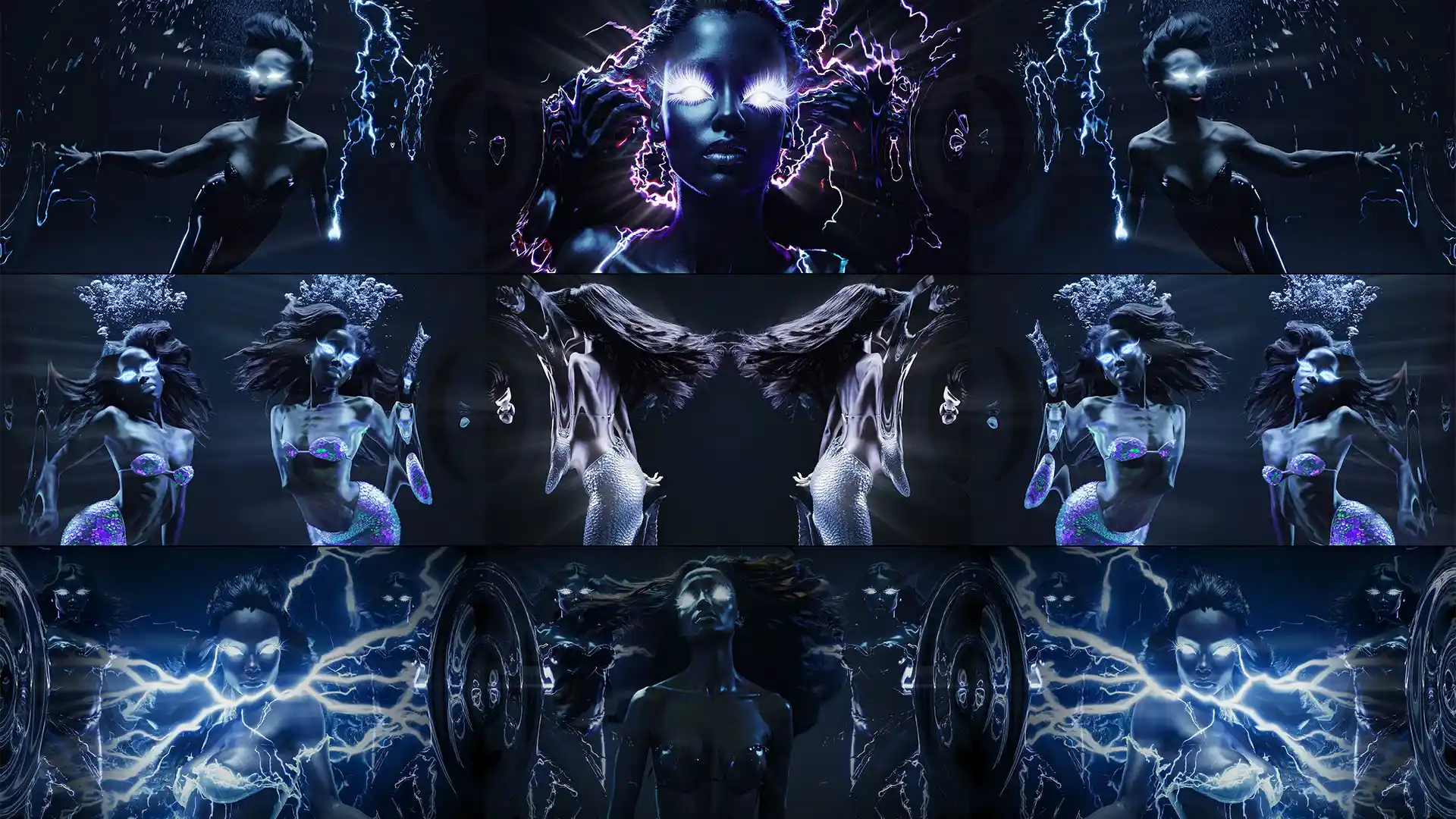
Deep Serenas – Immersive Visuals Vol.2
149€ -
Sale!
VJ Loops Pack Vol.73 – Mirror Ballet
Original price was: 129€.99€Current price is: 99€. -
VJ Loops Pack Vol.18 – Abstract Background Textures
89€ -
VJ Loops Pack Vol.19 – Lovely Red
79€ -
VJ Loops Pack Vol.11 – Really Madonna
89€ -
Sale!
Interior Patterns – Immersive Visuals Vol.1
Original price was: 249€.199€Current price is: 199€. -
VJ Loops Pack Vol.85 – Gnosis Lightning
99€ -
VJ Visuals Starter Pack
99€ -
Sale!

 Select options This product has multiple variants. The options may be chosen on the product page
Immersive Projection Business Guide
Original price was: 19€.12€Current price is: 12€.









Best wishes from Vienna,
Thanks for your attention, faithfully yours,
Alexander Kuiava – Founder & CEO LIME ART GROUP
https://alexanderkuiava.com/
