

How Can a VJ Become More Successful and Earn More Money
The article is written by a human. Mistakes have been edited by AI.
Originally published 2022. Updated August 2026 with four new recommendations, current branding research and a reading list.
I promised in a previous post that I would write proper recommendations on how to build a career in this profession and increase your income. This is that article, updated four years later with the things that have changed and the four recommendations I would add today.
Who this article is for: working VJs who are getting bookings but not enough of them, or enough of them at the wrong price.
What it solves: almost every VJ improves the same variable — visual quality — and then wonders why the fee does not move. Most of what raises your income is not on the screen.
What you get by the end: fourteen concrete recommendations, what changed in artist branding between 2022 and 2026, and five books that are actually worth the time.
Hello dear VJs and clients of LIME ART GROUP. I am new media artist Alexander Kuiava. I performed as a VJ before moving to producing content and shows, and I have also hired VJs for events, so I have seen this from both sides of the booking.
First, a correction to my own numbers
The 2022 version of this article said the average VJ earns about $4,000 a month.
That was too high, and I have since proved it wrong with my own data. In a follow-up poll, 302 VJs told me what a gig pays and 66 told me how many gigs they get. Multiply the two and the honest figure is closer to $2,500 a month gross for the average freelancer — before tax, gear, content and travel. A quarter of respondents get only one or two bookings a month.
The full working is in our article on how much VJs actually earn. I mention it here because everything below is written against the real number, not the flattering one.
The market context has not changed, though, and it is genuinely good. More large festivals every year, more artists touring, and the hardware cost keeps falling — Chinese LED panels have been getting roughly 8–12% cheaper per year, which means more venues own screens that need something on them. The demand for people who can build a video show is going up. The problem is that the supply of people who can competently run Resolume went up faster.
Which is exactly why the recommendations below are mostly not about visuals.

The ten recommendations
Before the list, two questions worth answering honestly on paper rather than in your head:
Why would a festival organiser book you specifically?
What are you better at than the other VJs available?
We have organised events ourselves and needed VJs for secondary stages, and we have seen the failure modes from the hiring side. Some VJs are excellent technically — they know every detail, they can connect, calibrate and configure anything — and then the visuals themselves are a disaster. Others make a beautiful image but are difficult people to have in a production team, which creates problems for the show director and quietly ends the relationship.
01. Technical skill is a must-have
You must know how everything works: how to connect and configure LED walls and video projectors, what your signal chain is doing, where it fails. Your own equipment must not break during a performance. Carry reserve gear and a backup setup. If something glitches or the screen goes black, your reputation drops in front of the entire production team and the client at the same moment.
The ideal position is being useful beyond your own department — helping the lighting or sound crew with their switching, giving a piece of advice that saves someone an hour. That lifts you in their eyes, and those are the people who get asked “who should we book?”
When you understand that your success depends not only on the image but on the whole technical delivery of the event, you start winning the more expensive work — because event producers remember who made their evening easier.
02. Content library
Every VJ needs a deep library: footage, loops, motion backgrounds, blanks, presets. And you need two kinds of it — content prepared specifically for the show, and a backup archive of everything else.
The running order changes more often than people expect. A show director will walk up mid-event and ask you to put an eagle flying against the sun on screen, now. If you do not have it, you need to know within thirty seconds where you can get it.
Keep your library rendered in advance in the codec your software or media server actually wants, and keep it in more than one place. We use three: local machine, our own server, and cloud storage. That redundancy has saved shows.
03. Video mixing skill
What actually appears on the screen. And I do not mean pre-rendered content played back on timecode — I mean real VJing: mixing several sources into one composition, adapting it to the shape of the stage screens, holding the musical rhythm, reading the audience.
Ask yourself the uncomfortable questions. Is it beautiful? Is it composed, or is it sloppy? Are the proportions right? Does the colour hold together? Can you actually cut to the beat with a controller rather than approximately near it?
If the sequence is meaningful, develops a theme, and has a balanced colour composition, that is already more than half of success. You can be handed a superb brief — great stage, famous headliners — and still put grunge kitsch on the screen.
This point is mostly about restraint. The fourth video layer is probably unnecessary. Not every clip needs to be mixed with another one. Think before you add.
04. Communication
Over the years we have met a specific type: good taste, strong technical understanding, quick at making content — and losing a large number of bookings because they never learned to listen to a client. Some are simply rude to people who were about to hire them. A good VJ who is difficult to talk to produces a difficult project and a worse result.
Recommendation: give the client more than they asked for, even before they are a client. Build trust. Make it obvious that you are easy to work with — simple terms, a fast contract, an invoice that arrives when it should. Understand the brief from half a sentence and offer two or three ways to do it so they have a choice. On the day the event ends, thank them.
A lot of VJs lose work simply because they cannot argue their position, or because they have a reputation as difficult inside the scene. Think about what it takes for other VJs, lighting designers, rental company staff and organisers to like working with you — as a person, not only as an artist. If the production hires an expensive, well-known lighting designer and that person praises you in front of the producer, your next bookings are effectively arranged.
05. Personal style
Do you have one? If you walked into a club or a festival and saw the screens, could you tell it was your work? What is the actual difference?
Every VJ should have one. A particular use of colour and tone, a form of content, a specific set of effects, presets or transitions. Even if you are performing content produced by other artists, is there something that is recognisably yours?
The real question underneath: am I a VJ and a media artist, or a media server operator? Am I adding something at each event, or reaching for the same strobe effect I used last time?
Three practical routes. First, produce your own content in one consistent style and stay with it long enough to be recognised by it. Second, if you are performing licensed or purchased content, find your style in how you compose — in the mixing, the layering, the audio-reactive behaviour, not in the source files. Third, work with form: choose the jobs where the screen shape or stage design suits the content you are strong at. Spherical content belongs on round screens.
06. A narrow niche
This is counter-intuitive and it is the single highest-leverage point on this list. If you try to work absolutely everywhere, you will spend more time and get fewer bookings. One of the keys is becoming the leader of a very narrow niche.
Pick one. A VJ for rock bands. A show-animation developer for DJs. A planetarium VJ. A touring VJ. A theatre VJ who makes very slow animation. A lounge-bar VJ. A festival specialist. Virtual shows. Holographic content.
Name one VJ working in theatre who has an international reputation, or even a continental one. There is not one, and that is precisely the opportunity. Everyone does the same thing, and as a result nobody earns.
07. Marketing
How do your clients actually find you? Your website, your social profile, a couple of event agencies who resell you? You need to know where they come from and then build the communication in both directions — because most VJs never write to a client first. Clients find them, book them, and disappear until they need something again.
One of the most reliable ways to increase income is retaining the clients you already have. Build a client list. Set up an email campaign. One or two emails a month is plenty. Tell them what is new in the technology and in the field.
This does two things: it keeps you visible, and it gives your clients ideas for projects they had not thought of. Not every event producer knows what naked-eye 3D is, or that you can do projection mapping on a wedding cake. By informing them you develop the client, keep their attention, and create the possibility of a booking that would not otherwise have existed.
Build the database, automate the newsletter, and mark the occasions — birthdays, New Year, whatever your clients celebrate.
One more: register your name and services widely across the web. Directories, forums, social profiles, listings. Search behaviour and algorithms change constantly, so claim your presence in as many places as you can. Build more doors through which work can find you.
08. Charisma and presence
Why do festival organisers write VIDEO SHOW on the poster instead of your name, or put you in small type between ten other people?
How are you distinguishable from the VJ next to you? Do you have a blog? A recognisable setup at the booth? A mask like Boris Brejcha? A look?
In most cases the visible performance is waving one arm over a fader and tapping a foot. Seventy per cent of VJs do exactly that, and the income data says most of them sit in the $200–600 per gig band. Want more? Stand out. Take any band or DJ in the upper league — Korn have the microphone stand, Deadmau5 the LED head and his own stage form, Solomun the calm and the look. What do you have? If you cannot think of anything, start with a T-shirt with an interesting print.
09. Raise your price
If you implement even five of the points above, raise your rates without guilt and without fear about the future. Good work costs money — this is one of the more durable rules of the world.
Value your work, your time and your life. There are plenty of wealthy clients and producers who will not book you because you are below their level. They have an expensive stage, expensive headliners and expensive guests — why would they hire a cheap VJ?
And as I said earlier: give the client a choice. Offer options the way everyone from property developers to content platforms does. More options, more chance of a booking, and a higher figure at the end of the year.
10. And a more personal reflection
Ask yourself what you actually believe about this. Are you creating value for the creative industry, or extracting it?
A simple example. At LIME ART GROUP we produce content — VJ loops, footage, toolkits. What we put on the scales is the most valuable thing any of us has, which is time. When someone takes that content without a licence, they get a short-term gain and a long-term problem: you cannot build a serious career on a foundation you did not pay for. Practically, not mystically — pirated libraries are not licensed for commercial performance, they cannot be shown in a portfolio safely, and one client’s legal department is enough to end the arrangement.
I believe the more you give to this field, the more of it comes back to you. You do not have to share that belief for the practical version to hold: people who create value in a small industry get recommended, and people who take from it get talked about. This scene is smaller than it looks.
Four more, from 2026
These are the ones I would add now. None of them are about making better visuals.
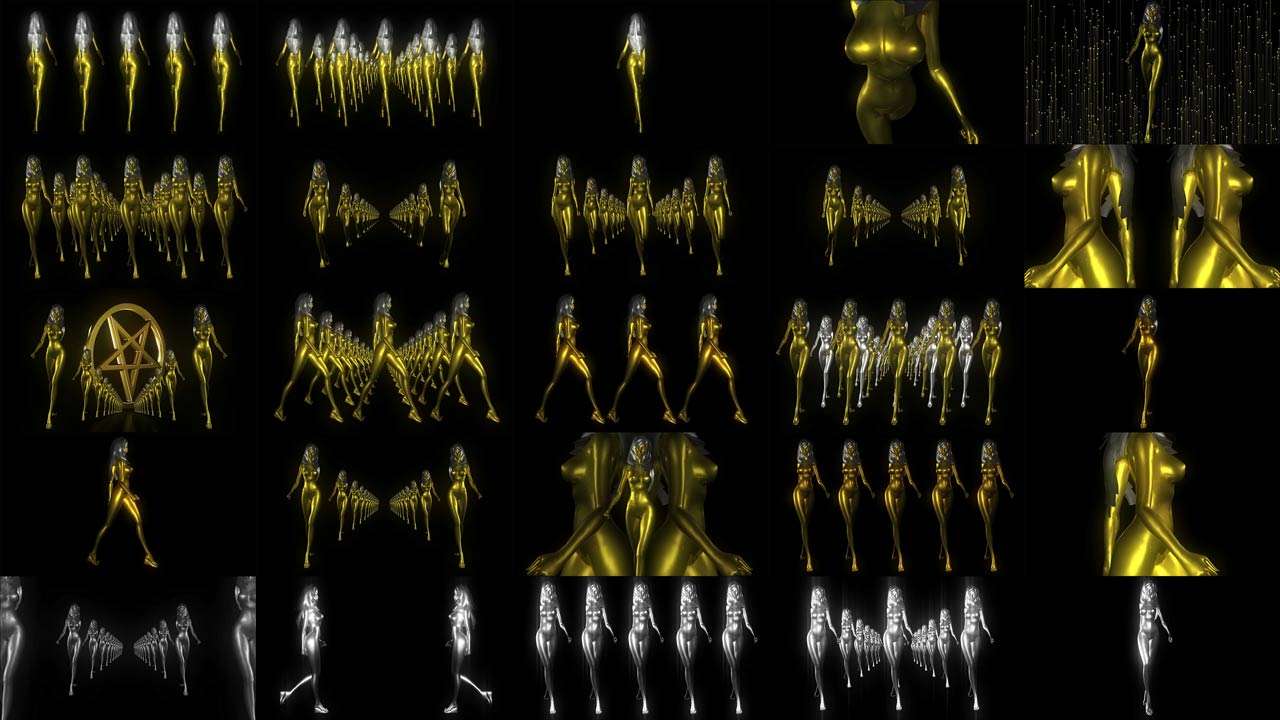
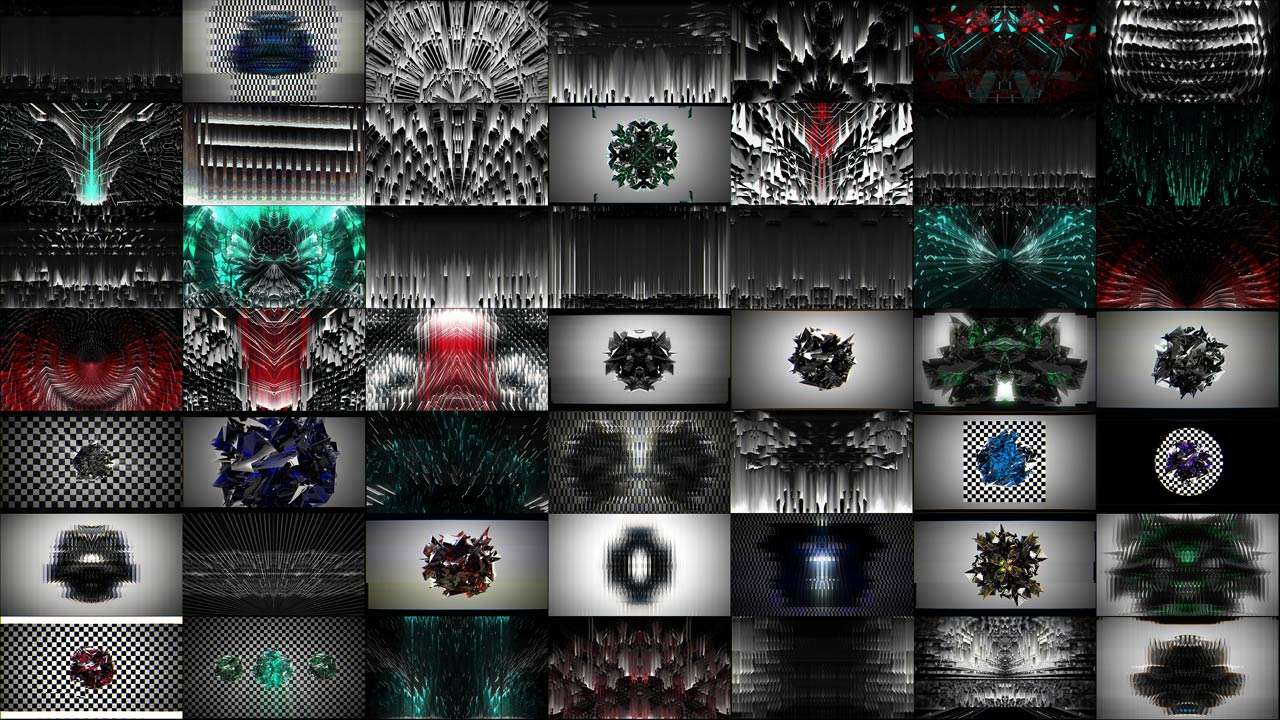
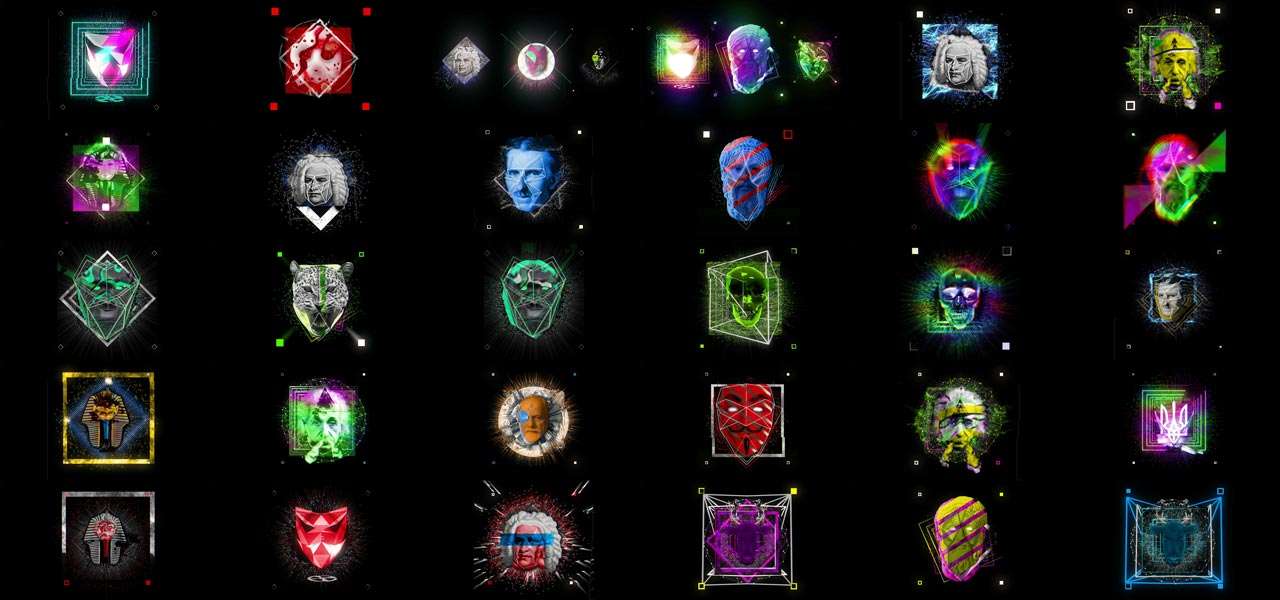
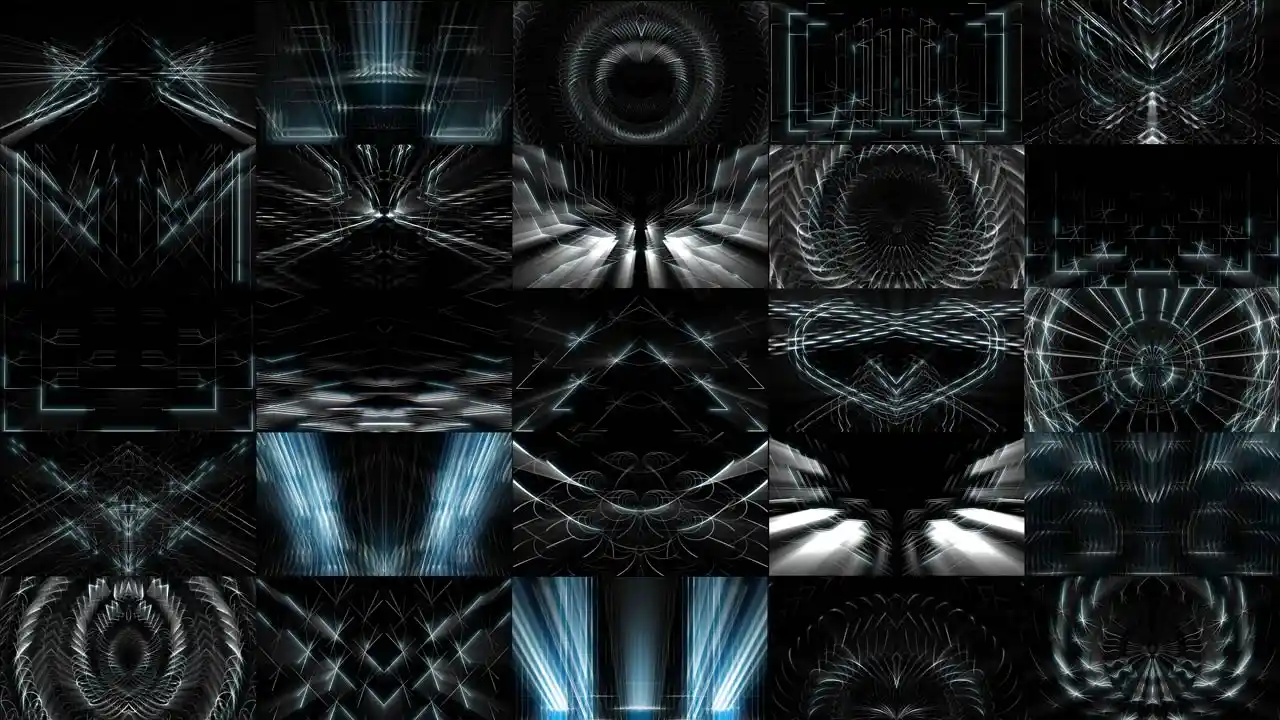
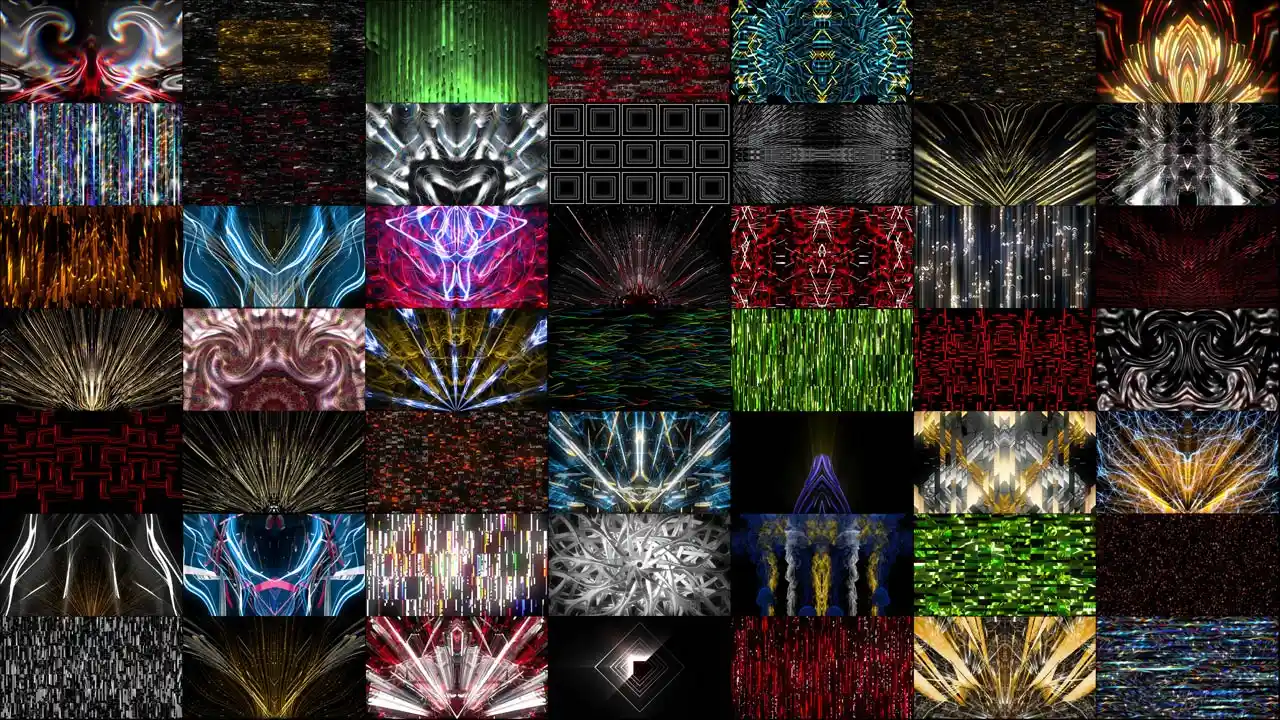
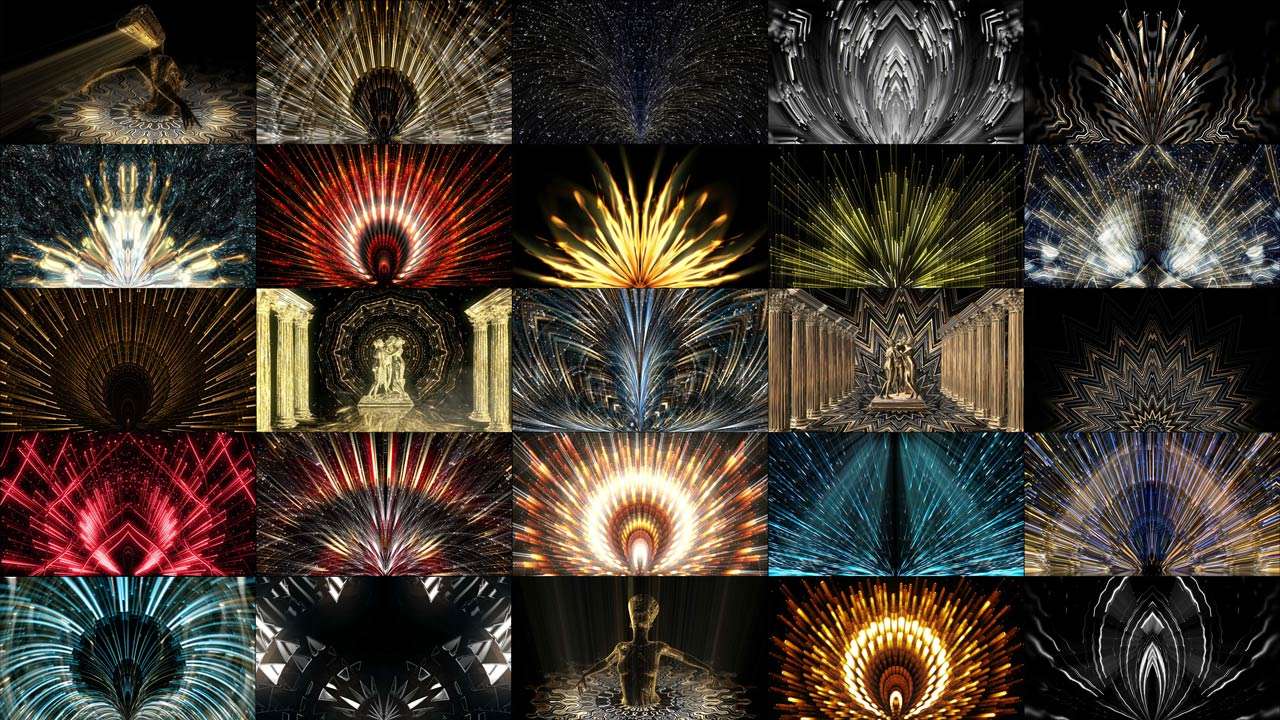
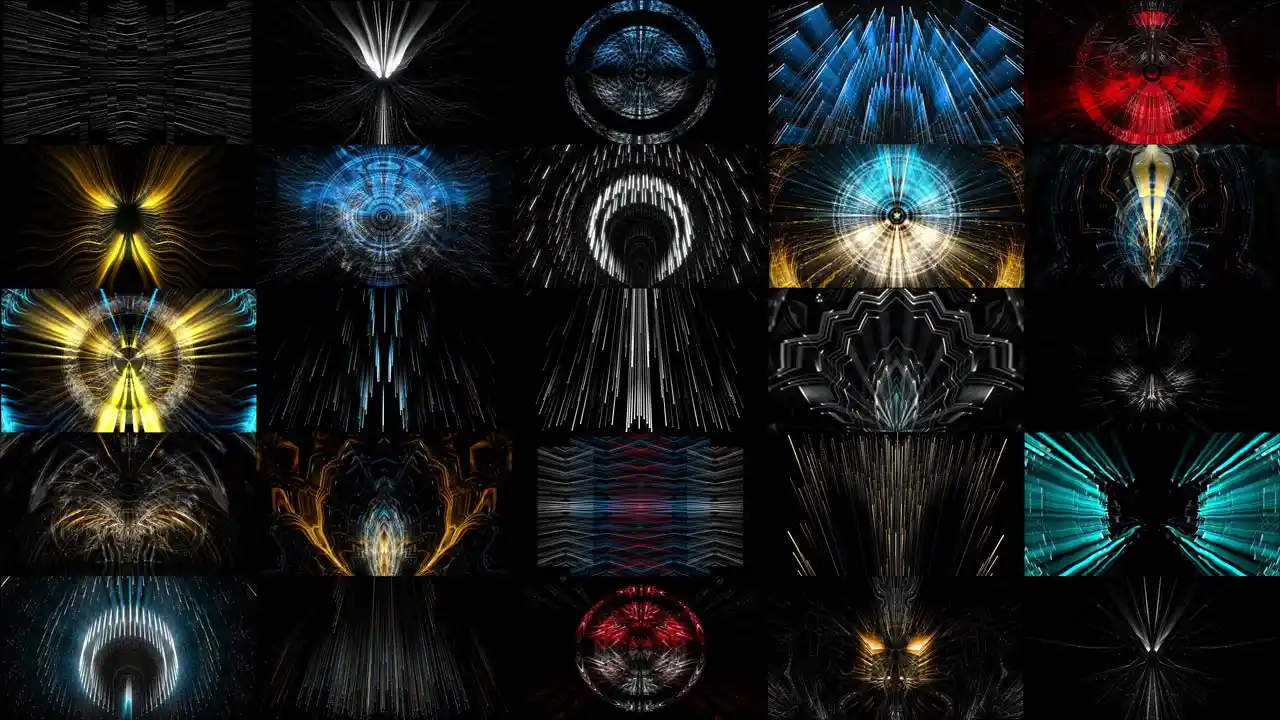
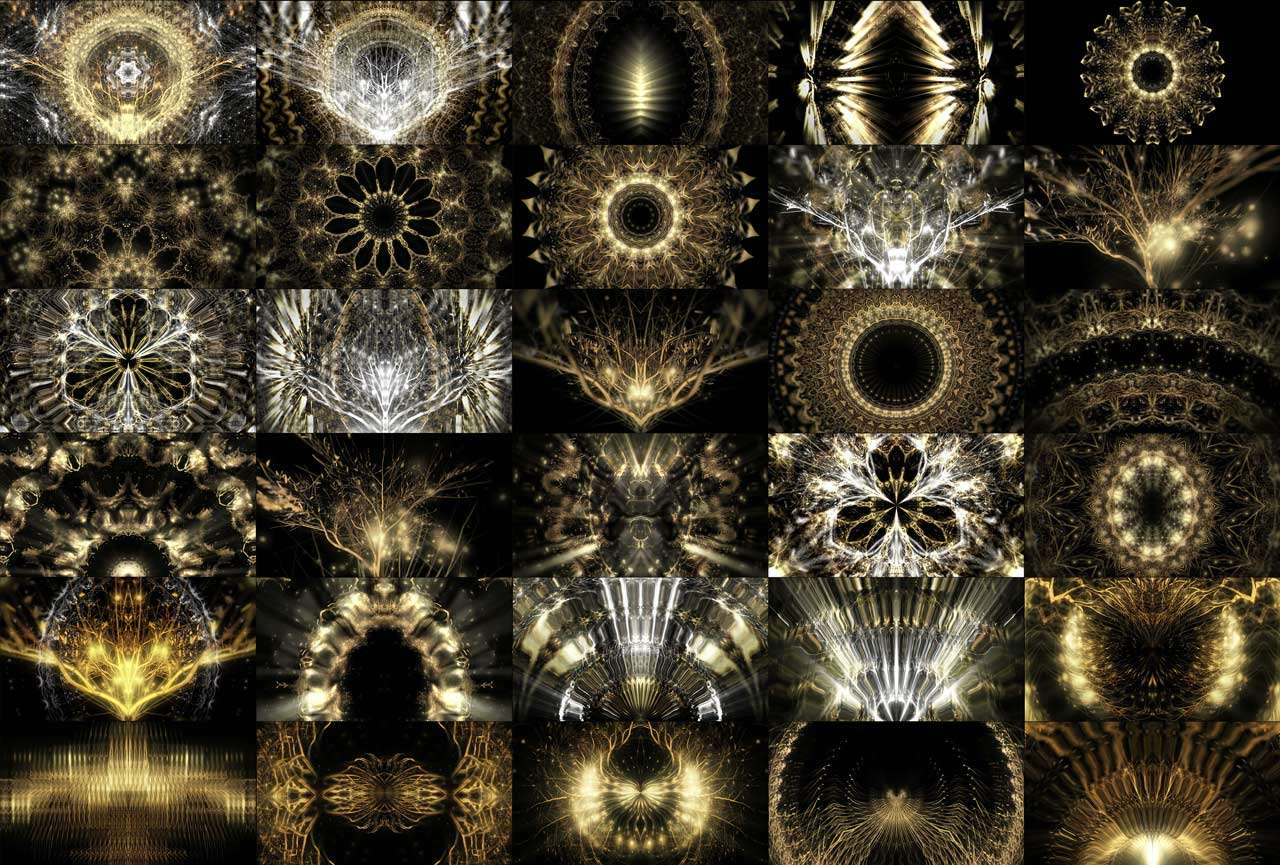
VJ Loops Packs
Coherent sets for VJs building a recognisable style
-
VJ Loops Pack Vol.41 – Goldfrau
79€ -
VJ Loops Pack Vol.29 – Glitch Backgrounds
89€ -
VJ Loops Pack Vol.17 – Main Element
99€ -
VJ Loops Pack Vol.28 – DecoLines
99€ -
VJ Loops Pack Vol.18 – Abstract Background Textures
89€ -
VJ Loops Pack Vol.11 – Really Madonna
89€ -
VJ Loops Pack Vol.12 – Interstellar Hypergate
59€ -
VJ Loops Pack Vol.1 – Smart Lines
99€ -
Vj Loops Pack Vol.26 – Gilded Roots
99€










11. Learn one adjacent discipline that moves you a category
The fastest way to leave the $200–600 band is not to negotiate harder inside it. It is to be booked as something else.
Three specific options, in order of how quickly they pay:
Media server operation. disguise, Watchout, Pixera and Hippotizer are what large shows run on, and the people who operate them are billed as technical specialists, not as VJs. This is the shortest path from a club fee to a production fee.
Projection mapping. A completely different skill — geometry and calibration done in advance rather than improvisation done live — and it unlocks a category of work that club VJing never touches: architecture, museums, brand installations, festivals. Our guide to making video mapping is the whole pipeline if you want to start.
Real-time and generative tools. Notch and TouchDesigner sit behind a large share of high-end live production. They are harder than Resolume and they are priced accordingly.
The point is not that these are more fun. It is that the same evening of work is billed in a different band depending on what the line item on the invoice says.
12. Put your name in the contract
One line, added before the event, in the same message as the fee: how your artist name should appear in credits, on the poster and in published documentation.
Nobody has ever refused this. Almost nobody asks. And the effect compounds — every credited show is evidence that you existed, and evidence is what a promoter checks before paying above their normal rate.
While you are at it, agree who may publish the documentation footage. You need it for your reel; some clients have restrictions. Thirty seconds to settle in advance, genuinely unpleasant to settle afterwards.
13. Business hygiene
The unglamorous half of this profession, and the part that separates a supplier from a hobbyist in the eyes of anyone with a budget.
A written agreement, even a short confirming email: fee, hours, what you supply, what the venue supplies, payment terms. It removes the ambiguity that costs people money.
A deposit on confirmation for anything involving content production. You are paying for your own time from day one; the client should be too.
Itemised quotes. Performance, equipment, content, travel, setup day as separate lines. Clients accept a €900 quote made of five justified lines far more readily than a €900 lump sum, and you stop giving content production away for free inside a performance fee. This is standard practice among professionals and almost unknown among club VJs.
A personal minimum you do not go below, decided before the negotiation rather than during it. Let the number do the refusing instead of you.
Cancellation terms. Outdoor events get rained off and clubs change programming. Agree in advance what happens to your fee.
14. Build an audience you actually own
This is the biggest change in how artists work since the 2022 version of this article.
Instagram is still where most VJ business happens, but the current advice across artist marketing in 2026 is consistent and worth taking seriously: artists increasingly build email lists and Discord communities specifically so they can reach people without depending on a platform algorithm.
An Instagram following is rented. An email list is owned. The list does not have to be large — for a VJ, a hundred producers, promoters and artists who actually book people is worth more than fifty thousand followers who like the pretty pictures.
The same research points to a division of labour worth knowing: Instagram is the visual portfolio, TikTok is the discovery engine, and YouTube has by far the longest shelf life — a well-titled set recording will still be found in three years, which no other platform offers.
And on the content itself, the finding that keeps repeating: material that feels like the audience is on a video call with you outperforms material that feels like an advertisement. Process, failures, breakdowns of how a show was built. Not showreels.
What actually changed in artist branding, 2022 to 2026
Four things, drawn from current artist-marketing practice rather than from my opinion.
Consistency became the measurable thing. The advice everywhere is now specific: defined content pillars, one visual style, one tone of voice that does not shift between posts, and your name spelled identically on every platform. When the artwork, the profiles and the posts all feel connected, it reads as professionalism — and that is what a producer is buying when they choose between two similar artists.
Direct channels beat reach. Email lists and Discord servers moved from nice-to-have to standard, precisely because platform reach became unreliable. This is now the main structural advice given to independent artists.
Documentation beats promotion. Process content — the failures, the origin of an idea, the unpolished version — consistently outperforms finished promotional material. For a VJ this is unusually easy, because your work is visual and your process is visually interesting.
The basics still fail most people. A live website with a clear bio, professional photographs and links to everything. Most working VJs still do not have one, and it is the first thing anyone does after hearing your name.
Nothing in that list is expensive. All of it is more useful than another controller.
Five books worth the time
Not a general reading list. These five address the specific problems in this article: how to price, how to position, how to be found, and how to stop behaving like an order-taker.
Blair Enns — The Win Without Pitching Manifesto. Twelve proclamations for creative businesses on moving from being seen as an order-taker to being seen as an expert. Short, uncomfortable, and the most directly applicable book here for anyone who has ever been asked to “show some ideas first” for free.
Blair Enns — Pricing Creativity: A Guide to Profit Beyond the Billable Hour. The practical companion. Rules and tactics for charging more for the same work, and the clearest argument I know for why hourly pricing caps your income permanently. Directly relevant to recommendations 09 and 13.
David C. Baker — The Business of Expertise: How Entrepreneurial Experts Convert Insight to Impact + Wealth (2017). This is the book behind recommendation 06. Its central argument is that narrow positioning makes your work less interchangeable, that expertise comes from concentrated focus and pattern recognition within one field, and that this is what lets you sell value instead of time. If you read one book from this list, and you are still trying to work everywhere, read this one.
Austin Kleon — Show Your Work!: 10 Ways to Share Your Creativity and Get Discovered (Workman, 2014). On becoming findable, on why generosity beats genius, and on using a network rather than “networking”. This is recommendation 14 in book form, and it is short enough to read in one evening.
Seth Godin — This Is Marketing: You Can’t Be Seen Until You Learn to See (Portfolio/Penguin, 2018). The argument that marketing is solving other people’s problems rather than promoting yourself. Useful specifically for recommendation 04 and 07 — it reframes client communication as service rather than sales, which is exactly the shift that wins repeat bookings.
One more, in a different register: Rick Rubin’s The Creative Act: A Way of Being (Penguin Press, 2023) is not a business book and will not help you price a gig. It is about the work itself and about not losing the reason you started. Read it when the other five have made you cynical.
Books & Guides
Reading and reference from our own catalogue
-
Sale!

 Select options This product has multiple variants. The options may be chosen on the product page
Immersive Projection Business Guide
Original price was: 19€.12€Current price is: 12€.

The number that keeps this honest
The 2022 version of this article opened by saying VJs earn about $4,000 a month and that we believed they could earn far more.
The second half of that is still what I think. The first half was wrong, and my own follow-up poll is what disproved it. The real average is closer to $2,500 a month gross, a quarter of respondents get one or two bookings a month, and only 6% get more than eight.
I am leaving the correction visible rather than editing the number out quietly. It matters here specifically, because a list of career advice built on an inflated baseline is advice about a profession that does not exist. Everything above is written against $2,500 — which is precisely why so little of it is about improving your visuals, and so much of it is about category, positioning, paperwork and being someone people want in the building.
If you only do three of the fourteen
One: pick a niche and hold it for a year. Recommendation 06, and the one with the largest effect on price. Everything else compounds faster once you are known for something specific.
Two: itemise every quote and set a personal minimum. Recommendation 13. It costs nothing, it takes one afternoon to build a template, and it raises the average booking immediately.
Three: build the list. Recommendation 14. A hundred people who book VJs, an email twice a month, and a website that exists. This is the cheapest marketing available and almost nobody in this field does it.
The other eleven matter. These three change the number this year.
Frequently asked questions about building a VJ career
How can a VJ earn more money?
Mostly by changing category rather than negotiating harder in the same one. Specialise in a narrow niche, learn an adjacent discipline that is billed differently — media server operation, projection mapping, real-time tools — itemise your quotes, set a personal minimum, and build a direct audience you own rather than renting reach on a platform.
What is the fastest way for a VJ to raise their rate?
Learn media server operation or projection mapping. The same evening of work is billed in a different band depending on what the invoice line says, and technical specialists are priced above performers in most production budgets.
Do VJs need a niche?
Yes, and it is the highest-leverage decision on this list. Trying to serve every kind of event costs more time and produces fewer bookings. Narrow positioning makes your work less interchangeable, which is exactly the argument David C. Baker makes in The Business of Expertise.
How should a VJ price a job?
Itemised, never as a lump sum: performance, equipment, content, travel and setup as separate lines. Hold a personal minimum decided before the conversation. Blair Enns’s Pricing Creativity is the reference on why hourly pricing caps your income.
What marketing actually works for VJs?
Retaining existing clients, which almost nobody does. Build a client list, email once or twice a month with genuinely useful information about what is now possible technically, and keep a live website with a bio, photographs and links. Beyond that, Instagram as portfolio, TikTok for discovery and YouTube for shelf life.
Should a VJ have an email list?
Yes. An Instagram following is rented; an email list is owned, and current artist-marketing practice treats direct channels as standard precisely because platform reach became unreliable. For a VJ it does not need to be large — a hundred promoters, producers and artists who actually book people is enough.
How do I get credited on a poster?
Ask before the event, in writing, in the same message as the fee, specifying how your name should appear. Almost nobody asks and almost nobody refuses. Every credited show is evidence, and evidence is what a client checks before paying above their normal rate.
Is it worth buying more equipment to earn more?
No. Nothing in our poll data suggests equipment correlates with fee. Positioning, category and paperwork do.
Sources
Poll data and production observations are our own. External material was checked in August 2026.
Our own data
- LIME ART GROUP VJ fee poll, 302 votes, and VJ gig-frequency poll, 66 votes
- Production, booking and hiring experience since 2012
Artist branding and marketing practice, 2026
- Current artist-branding and music-marketing guidance on platform roles, content pillars, direct fan channels and visual consistency
Books referenced
- Blair Enns — The Win Without Pitching Manifesto
- Blair Enns — Pricing Creativity: A Guide to Profit Beyond the Billable Hour
- David C. Baker — The Business of Expertise: How Entrepreneurial Experts Convert Insight to Impact + Wealth, 2017
- Austin Kleon — Show Your Work! 10 Ways to Share Your Creativity and Get Discovered, Workman, 2014
- Seth Godin — This Is Marketing: You Can’t Be Seen Until You Learn to See, Portfolio, 2018
- Rick Rubin — The Creative Act: A Way of Being, Penguin Press, 2023
Market context
- LED display pricing and manufacturing share reports
- NTIA UK electronic music and night-time economy reporting
Recommendations 11 to 14, the three-point priority list and all opinions are our own.
One request
If you implement any of this and the number moves, tell me which one did it. I run the income polls every couple of years and the useful version of them would separate what people earn from what they changed. The polls go out in our VJ communities, and the arguments in the comments are usually more useful than the results.
Latest Feature VJ Loops
Hand-picked visuals by our New Media Artists
-
Deep Serenas – Immersive Visuals Vol.2
149€ -
Sale!
VJ Loops Pack Vol.73 – Mirror Ballet
Original price was: 129€.99€Current price is: 99€. -
VJ Loops Pack Vol.18 – Abstract Background Textures
89€ -
VJ Loops Pack Vol.19 – Lovely Red
79€ -
VJ Loops Pack Vol.11 – Really Madonna
89€ -
Sale!
Interior Patterns – Immersive Visuals Vol.1
Original price was: 249€.199€Current price is: 199€. -
VJ Loops Pack Vol.85 – Gnosis Lightning
99€ -
VJ Visuals Starter Pack
99€ -
Sale!
Select options This product has multiple variants. The options may be chosen on the product page
Immersive Projection Business Guide
Original price was: 19€.12€Current price is: 12€.







Best wishes from Vienna,
Thanks for your attention, faithfully yours,
Alexander Kuiava – Founder & CEO LIME ART GROUP
https://alexanderkuiava.com/
